
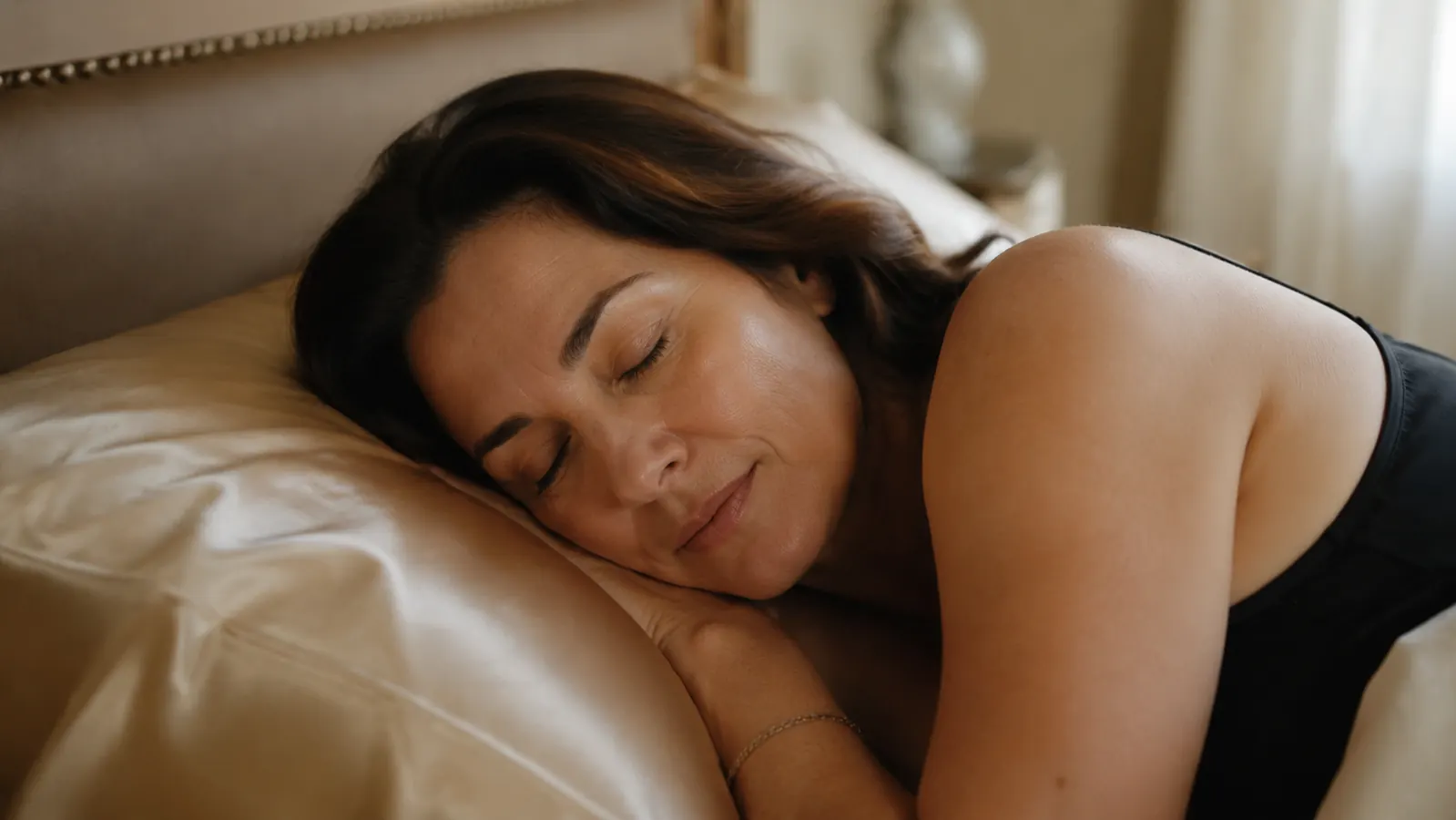
Six months ago I bought a Suatien mulberry silk pillowcase for eighteen dollars because I was tired of waking up with my hair looking like I'd been dragged through a hedge. I have thin, color-treated hair that tangles if you so much as look at it wrong, and I'd read enough about silk pillowcases to be skeptical. Skincare influencers oversell everything. But I sleep on my side, I toss more than I'd like to admit, and my old cotton pillowcase was visibly pilling my hair by month three of owning it. So I figured eighteen dollars was a cheap enough bet to actually test.
This is not a sponsored puff piece. I bought this pillowcase myself, on my own pillow, in my own queen size bed, and I've used it every single night since, through summer heat and now into cooler nights. Some of what I noticed surprised me. Some of it didn't hold up to the hype at all. Here's the full six months, good and bad.
The Quick Verdict
A genuinely noticeable upgrade for hair frizz and sleep-crease marks, with real trade-offs around slipping and washing that nobody mentions in the five-star reviews.
Amazon Check Today's Price →Still waking up with hair that looks like static electricity did it?
That's friction, not bad luck. Cotton grabs your hair all night. This is the pillowcase I've used every night for six months.
Amazon Check Today's Price on Amazon →How I Tested It
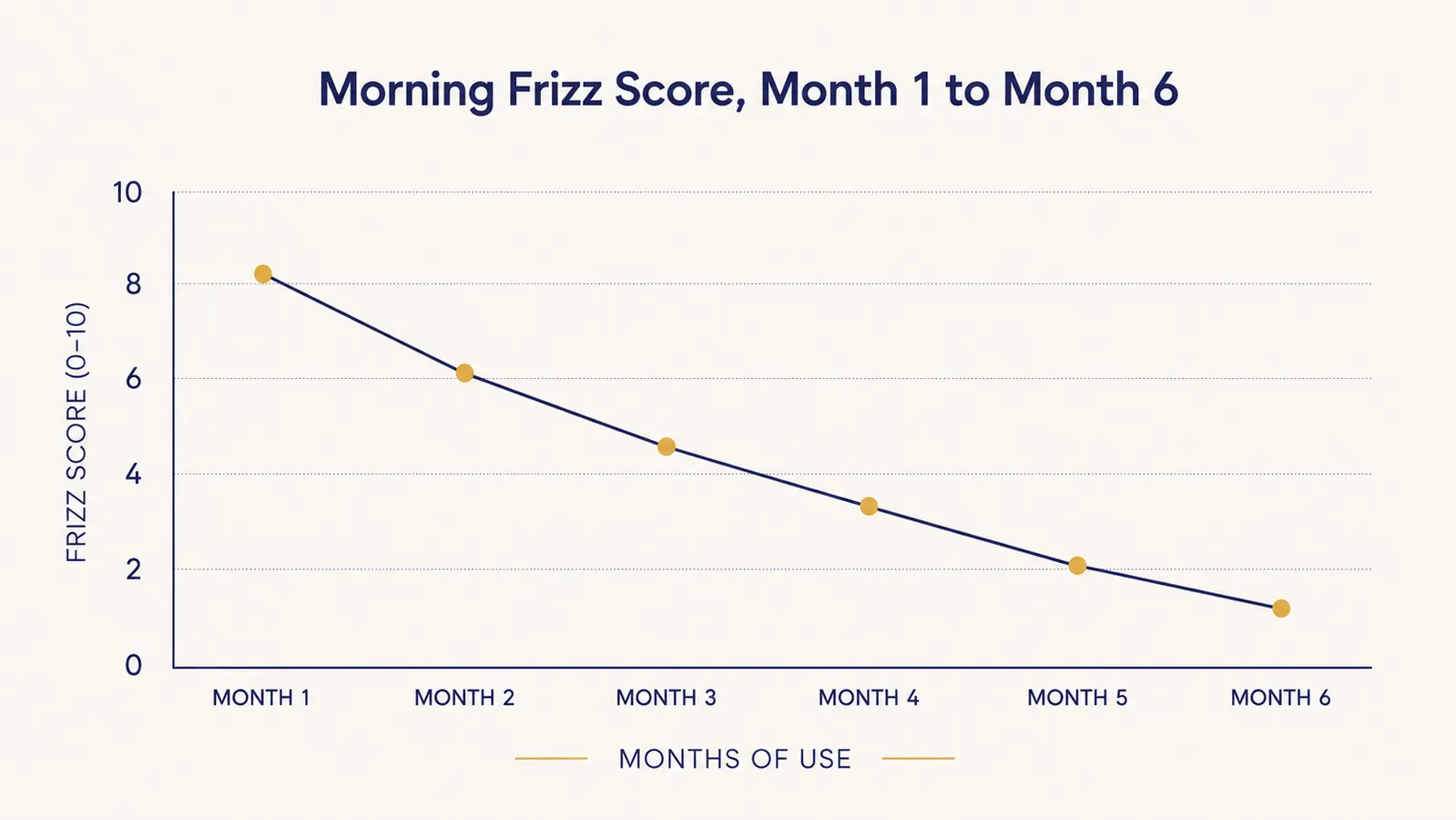
I didn't just switch pillowcases and vaguely feel better. I kept a small notes app log for the first ten weeks, rating three things every morning on a one to five scale: how tangled my hair felt when I ran my fingers through it, whether I had a visible sleep crease on my cheek, and how my skin felt (tight, normal, or fine). I did this on the same sleep schedule I'd kept for the two months prior on my old cotton pillowcase, so I had a real baseline instead of a guess.
I also didn't change anything else. Same shampoo, same night cream, same room temperature around 68 degrees. The only variable was the pillowcase. That matters because a lot of the reviews I read before buying credited silk with things that were probably just seasonal humidity changes or a new conditioner. I wanted to isolate the actual variable.
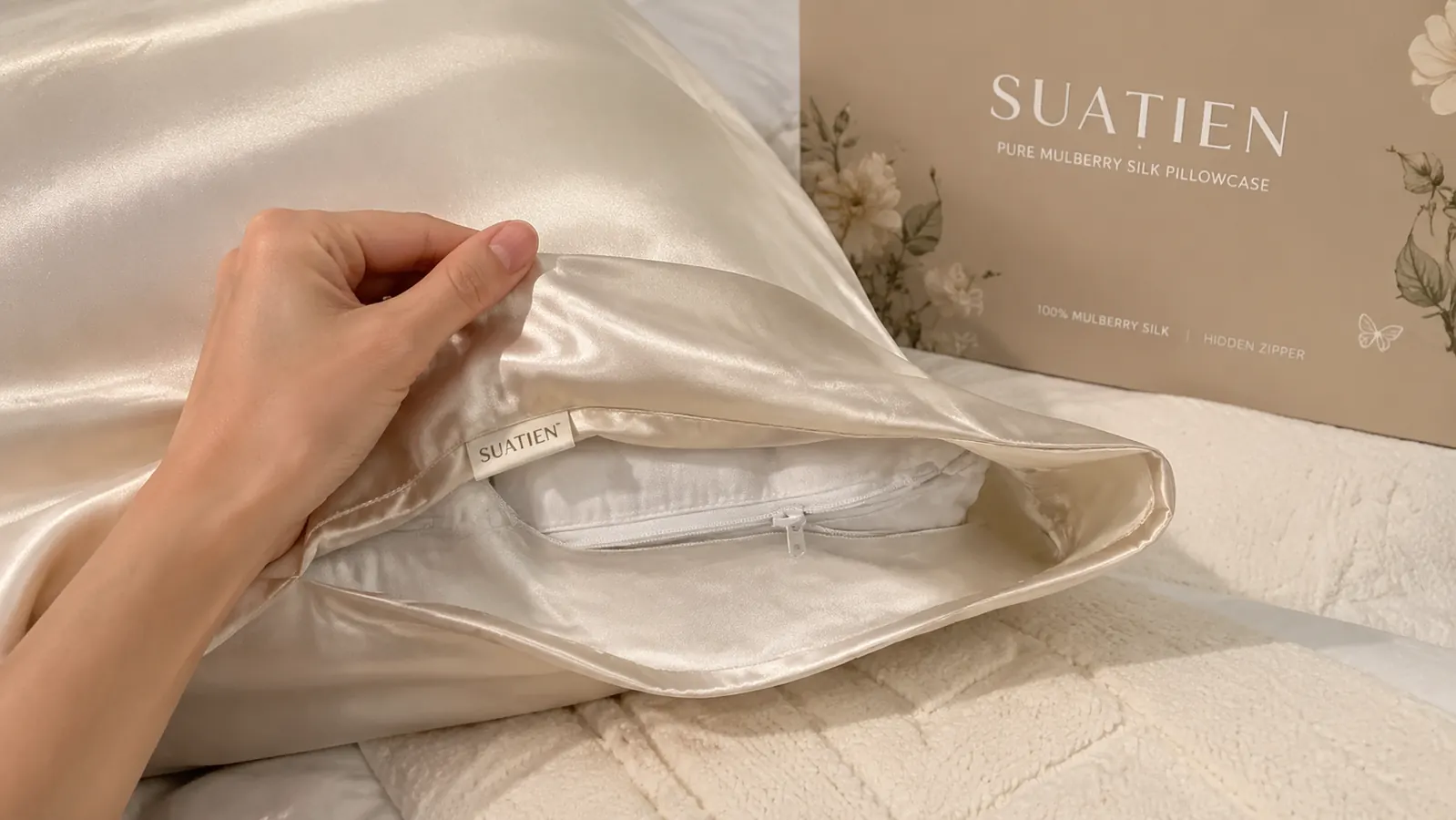
The Suatien pillowcase itself is 100 percent mulberry silk, queen size, with a hidden zipper closure rather than the envelope-style opening a lot of cheaper silk pillowcases use. That zipper detail mattered more than I expected once I started actually sleeping on it, which I'll get into.
I'll admit the log-keeping felt a little obsessive at first, jotting down a frizz number before I'd even had coffee. But six weeks in, looking back at the numbers instead of relying on memory, the trend was obvious in a way my gut feeling alone might not have convinced me of. Memory is a bad narrator when you want a product to work, so having the actual notes mattered.
The Hair Difference Was Real, and Faster Than I Expected
By night four I noticed I wasn't waking up with that dry, static-charged feeling at my temples. By week two, the tangling at the back of my head, the spot where I toss and turn the most, was noticeably less severe. I still had some bedhead, I'm not going to pretend silk turns you into a shampoo commercial, but the difference between a rough surface grabbing at your hair cuticle all night and a smooth surface letting it glide is not subtle once you're paying attention.
My hairstylist actually asked me in month three if I'd started using a different leave-in treatment, because the ends looked less frayed. I hadn't changed a single product. The only thing different was six to eight hours a night of my hair sliding instead of catching.
If you have straight or fine hair like mine, this effect shows up faster. If you have very curly or coily hair, from what I've read and from friends who tried it, the benefit is still there but shows up more as less breakage over months rather than a dramatic overnight fix. Worth knowing going in so you don't expect a miracle by week one.
I also asked my partner, who does not read skincare blogs and has zero stake in whether this pillowcase works, to tell me honestly if my hair looked any different over those first two months. Unprompted, around week five, he mentioned my hair looked shinier in the mornings. That kind of outside, uninterested confirmation carries more weight with me than any five-star Amazon review ever could.
Sleep Creases and Skin, Where I Was More Skeptical
This is the part of silk pillowcase marketing that always felt the most like a stretch to me, the anti-aging, anti-wrinkle claims. I'm 41, I have the beginnings of a nasolabial crease on my left side from years of side-sleeping, and I did not expect a pillowcase to erase that. It didn't. Let's be clear about that up front.
What it did do was reduce the temporary sleep crease, the one that shows up in the mirror at 7am and fades by 9am. On cotton, mine used to be deep enough that I could still see a faint line at lunchtime some days. On the silk pillowcase, that morning crease is shallower and gone within twenty to thirty minutes of being upright. That's a real, measurable difference, just not the permanent anti-aging effect some of the more dramatic reviews imply.
My skin also felt less tight and dry in the mornings, especially through the drier months. I can't fully separate that from switching my night cream around the same time, so I'll be honest that this particular benefit is the one I'm least confident attributing entirely to the pillowcase.
The Slipping Problem Nobody Warns You About
Here's the tradeoff. Silk is slippery by design, that's the whole point, but it also means the pillowcase itself slides around on the pillow more than cotton does. I woke up more than a few times in the first month with the case bunched at one corner and half my pillow bare. It settled down once I started tucking more fabric under, but if you're someone who really thrashes around at night, this is a legitimate annoyance, not a rare fluke.
The hidden zipper helps here more than I expected. It keeps the case snugger around the pillow than the envelope-style closures I'd used on a cheaper silk pillowcase years ago, which constantly worked loose. Still, if you're a very restless sleeper, budget for occasionally readjusting it, because it will happen.
I found a simple fix that isn't in the instructions anywhere. Tucking about four extra inches of the open end under the pillow, rather than just letting it hang loose, cuts the slipping down by most of what was bothering me. It's a small habit to build, maybe ten seconds when you make the bed, but it made the difference between constant readjusting and only occasionally waking up to a bunched corner.
What I Liked
- Noticeably less hair tangling and frizz within the first two weeks
- Shallower, faster-fading sleep creases in the morning
- Hidden zipper keeps it more secure than envelope-style silk cases
- Feels genuinely cool and smooth in warm weather
- Affordable enough to actually test without a big commitment
Where It Falls Short
- Slides around on the pillow, especially for restless sleepers
- Needs gentle, cold-water hand washing to hold up long term
- Not a substitute for actual skincare or anti-aging results
- Curly-haired sleepers will see slower, subtler benefits
It's not magic. It's just friction, removed. Turns out that was most of my hair problem all along.
Washing and Wear After Six Months
I hand wash mine roughly every ten days in cold water with a gentle detergent and lay it flat to dry. I know that's more effort than tossing a cotton pillowcase in with the rest of the laundry, and I'll admit I've cheated a few times and run it on the delicate cycle in a mesh bag. It survived those trips, but I did notice a very slight dulling of the sheen compared to hand washing, so I've gone back to doing it properly most weeks.
After six months of near-nightly use and roughly twenty washes, there's no visible thinning, no snags, and the color hasn't faded. The zipper still glides smoothly. For an eighteen dollar Suatien pillowcase, that's held up better than I expected, though I'll update this review if anything changes past the year mark.
Temperature and Feel, Night to Night
I run warm at night, and one thing I didn't expect was how much cooler this pillowcase feels against my cheek compared to cotton, especially in the first hour after I lie down. It's not a cooling-gel gimmick, silk just doesn't trap heat against skin the way a tighter cotton weave does. Through the hottest stretch of summer, flipping to the other side and getting that first cool touch again was a small thing that made falling back asleep easier on the nights I woke up sweaty.
Once winter hit, I did notice the flip side of that coin. Silk doesn't hold onto body heat the way flannel or brushed cotton does, so on genuinely cold nights I layered a thin cotton case underneath for warmth and kept the silk closest to my skin and hair. That's a small workaround, but it's worth knowing if your bedroom runs cold, because silk alone isn't going to keep you warm the way a heavier fabric would.
What I Considered Instead
Before buying this one, I looked at a couple of higher-priced silk pillowcases from boutique sleep brands running at premium prices, and a cheaper polyester satin option at budget pricing that a coworker swears by. I skipped the boutique options because I wasn't willing to spend that much on an unproven experiment, and in hindsight I don't think the extra cost buys much beyond nicer packaging and a wider color selection.
I also want to be fair to satin. It's a reasonable budget substitute if silk is out of reach, and it does reduce some friction versus cotton. But it doesn't breathe the same way, it tends to trap more heat, and after a coworker let me try hers for a week at a sleepover during a work trip, it felt noticeably warmer and slightly less smooth against my hair by morning. For the price gap between satin and real mulberry silk, I'd still pick silk.
Who This Is For
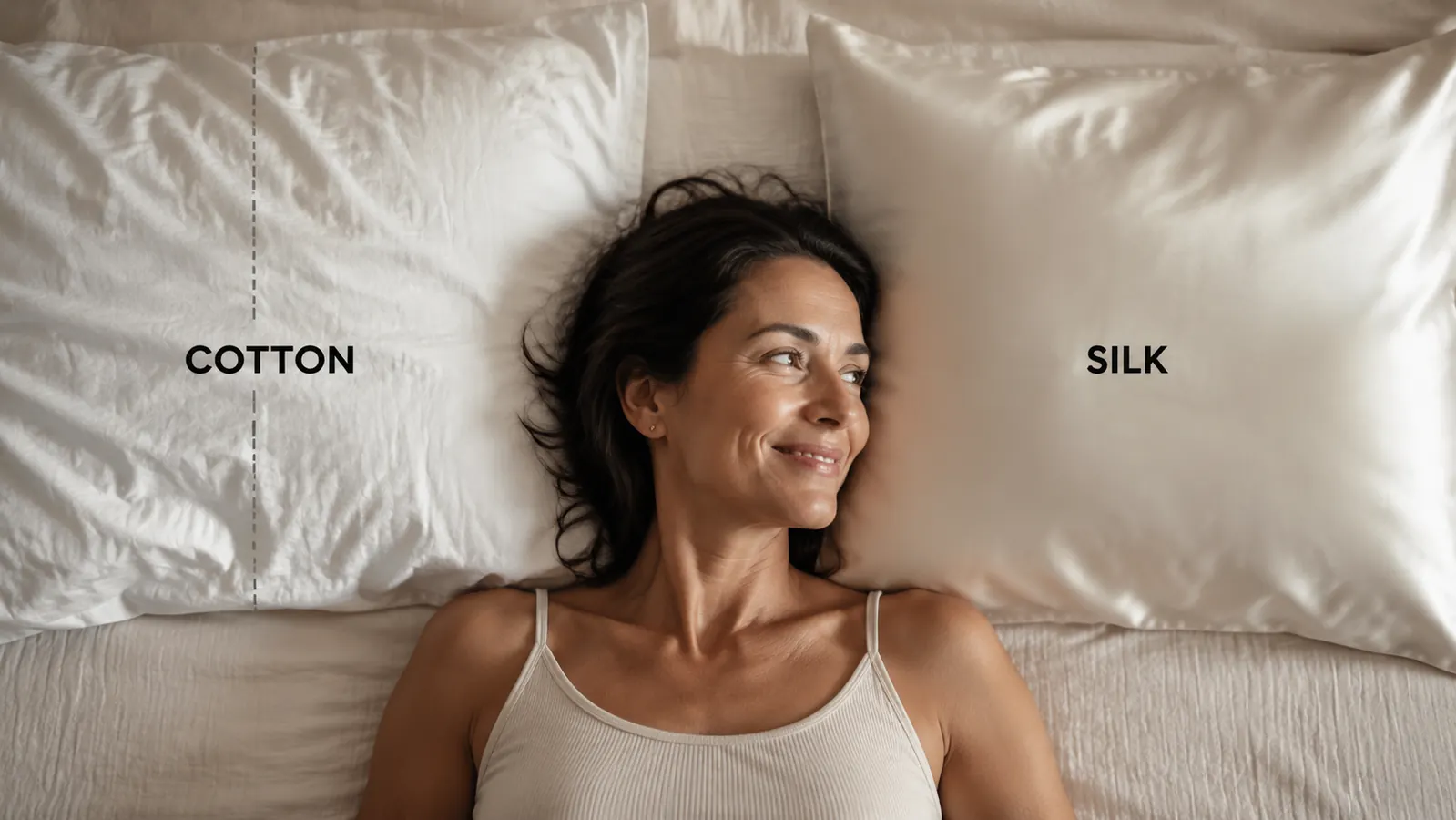
If you have fine or color-treated hair that tangles easily, if you wake up with a visible sleep crease that bothers you, or if you're a side sleeper who runs warm at night, I think this is a genuinely worthwhile eighteen dollar experiment. It's also a nice, low-effort upgrade if you already spend money on hair or skin products and want your pillowcase to stop working against them all night. Curious readers should also see how it stacks up directly against a plain cotton case in our silk vs cotton pillowcase comparison.
Who Should Skip It
If you're a very restless sleeper who already fights with fitted sheets and pillowcases coming loose, the slipping issue is going to frustrate you more than the hair and skin benefit will delight you. And if you're expecting it to erase an existing wrinkle or crease permanently, save your money, that's not what this product does. It reduces temporary morning creasing, it doesn't reverse skin aging. If you want the fuller list of everyday reasons this made a difference for me, I've laid those out separately in 10 reasons a silk pillowcase helps hair and skin.
Six months in, my hairstylist noticed before I told her.
If your hair looks rougher every morning than it did the night before, the fix might be sitting under your head. This is the pillowcase that changed that for me.
Amazon Check Today's Price on Amazon →