
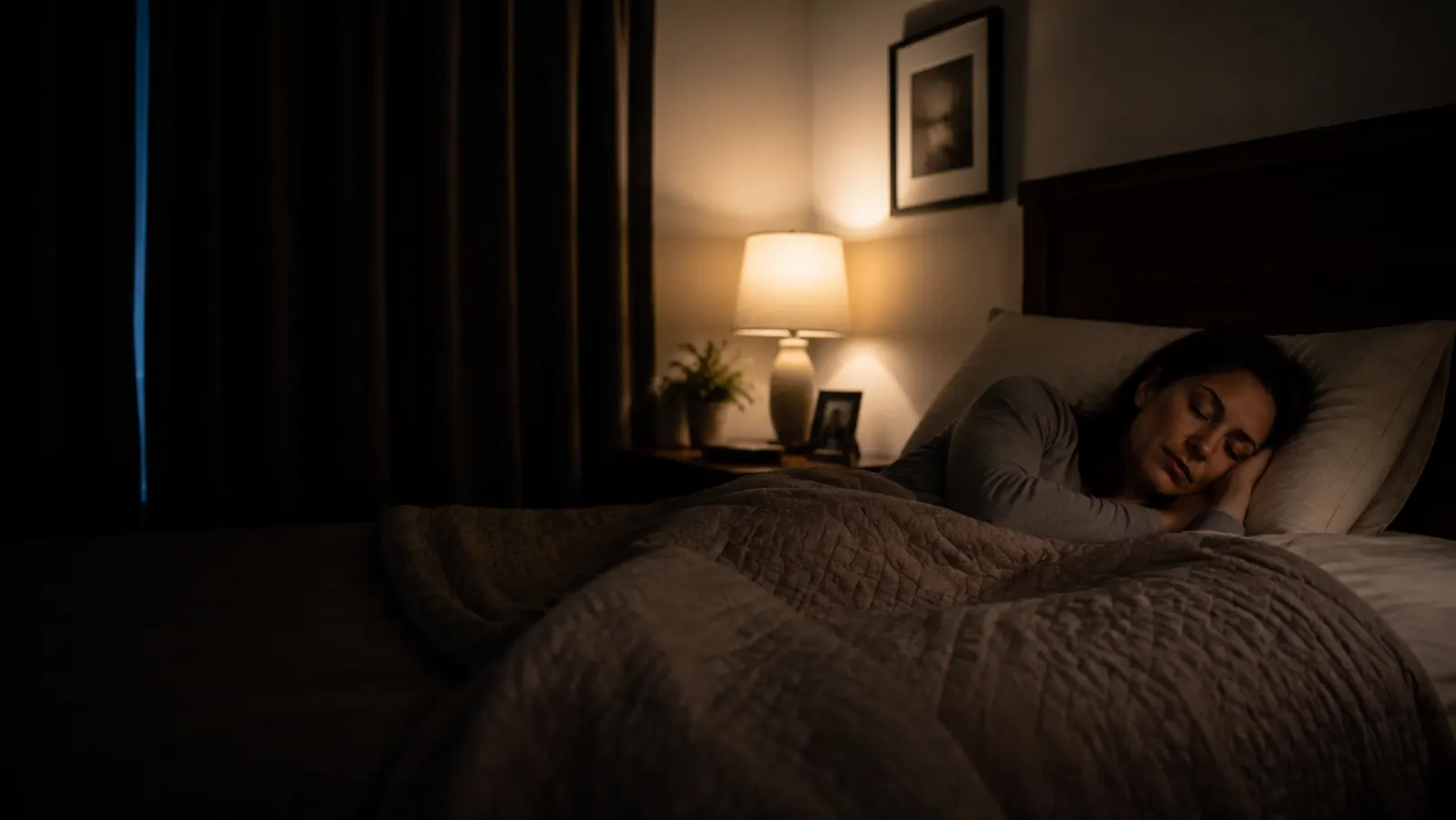
For years I treated my curtains like an afterthought, some thin cotton panels that looked fine and let in a soft gray light every morning. I told myself that was normal, that everyone's bedroom looked a little bit lit up at dawn. It wasn't until I hung a pair of BGment blackout curtains in my bedroom that I realized how much that soft gray light had been costing me. My room went from dim to genuinely dark, and my sleep changed within the first week.
I'm a light sleeper. Streetlights, sunrise, even the glow from a neighbor's porch light used to nudge me awake earlier than I wanted, or keep me hovering in that shallow half-asleep state instead of real deep sleep. Blackout curtains fixed more of that than any other single change I made to my bedroom, and they did it without asking me to change a single habit. Here are 10 reasons why they're worth it, and a few honest notes on where they fall short.
Still using curtains that let the sun win every morning?
BGment's blackout curtains are the grommet-style panels that finally gave me a genuinely dark room, no wake-up-at-5am light creeping in. Current price and available sizes are on Amazon.
Amazon Check Today's Price on Amazon →They block real light, not just dim it
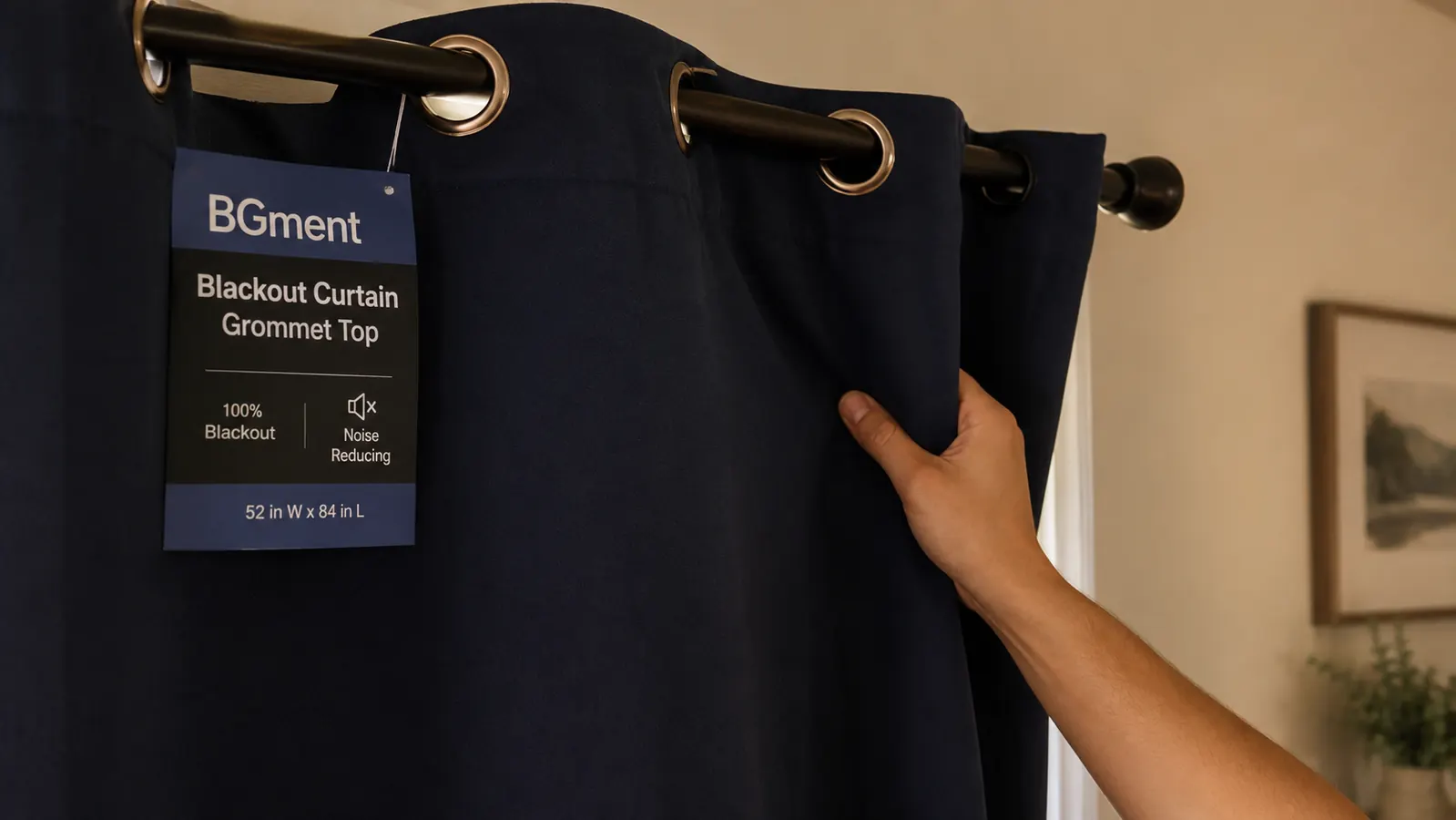
There's a difference between curtains that make a room 'darker' and curtains that make a room actually dark. My old panels cut the glare but still let in enough light to see my dresser across the room, my shoes on the floor, the outline of the door. The <a href="/bgment-blackout-curtains-review-long-term">BGment blackout curtains</a> use a tightly woven triple layer that blocks close to full light. When I close them at 10pm, my room looks the same as if it were midnight, no matter what time sunrise actually happens outside.
They stop sunrise from resetting your alarm clock early
Before I made the switch, I woke up around 5:45am every summer morning whether I wanted to or not, because the sun came up and my curtains did nothing about it. That's an extra hour of lost sleep a night, every night, for months at a stretch. Blocking that light let me sleep until my actual alarm instead of my window's alarm, which sounds small until you add up how much sleep that hour actually costs you over a summer.
They cut down on streetlight and passing headlights
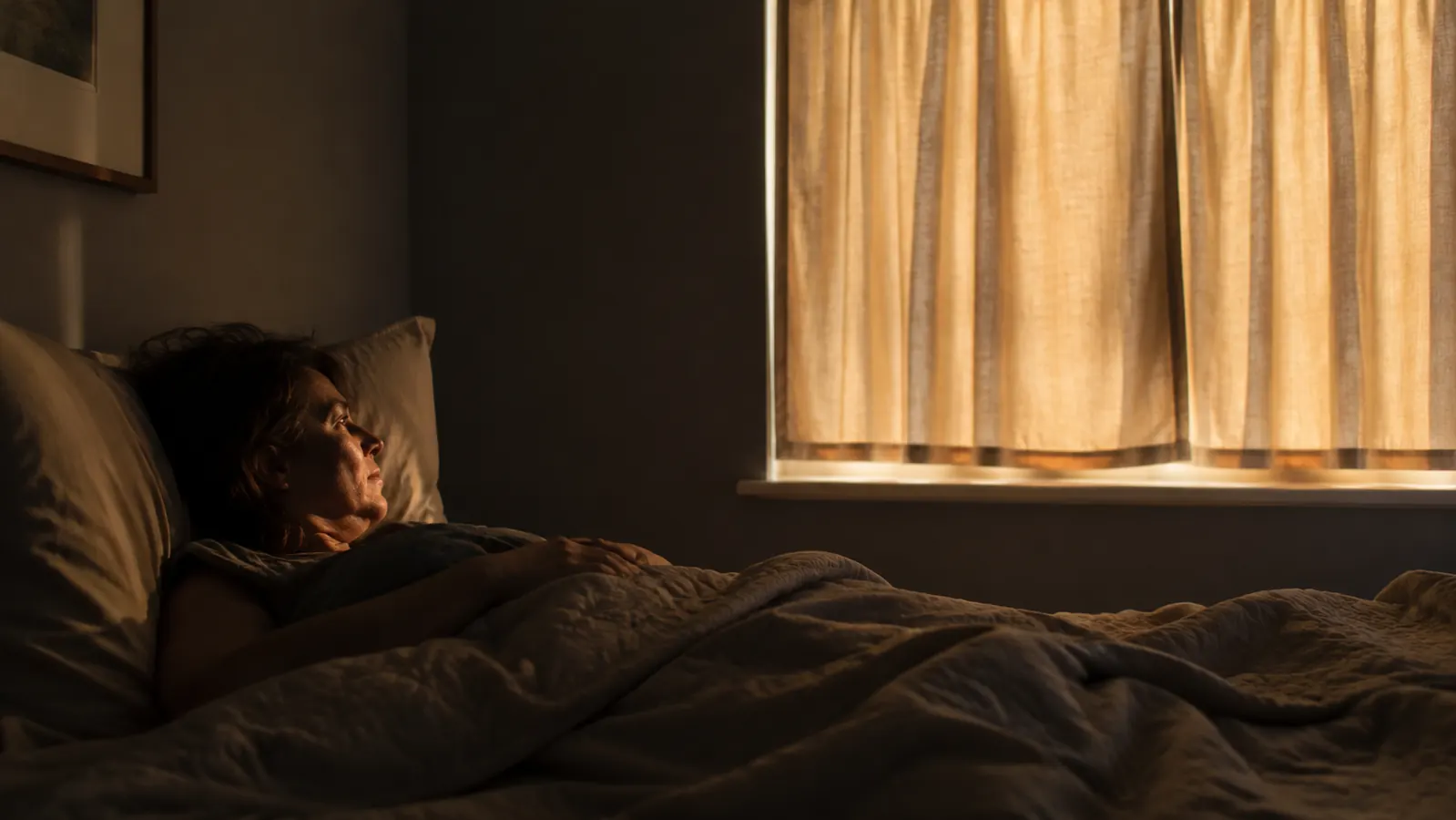
My bedroom window faces a street with a light pole about 40 feet away. Regular curtains let a faint orange glow bleed through all night, and headlights from passing cars used to sweep across the ceiling every time someone pulled into the driveway next door. Blackout fabric absorbs almost all of that. My room stays dark and still, without that occasional flash of light dragging me out of a dream right before my alarm was set to go off anyway.
Darkness helps your body actually make melatonin
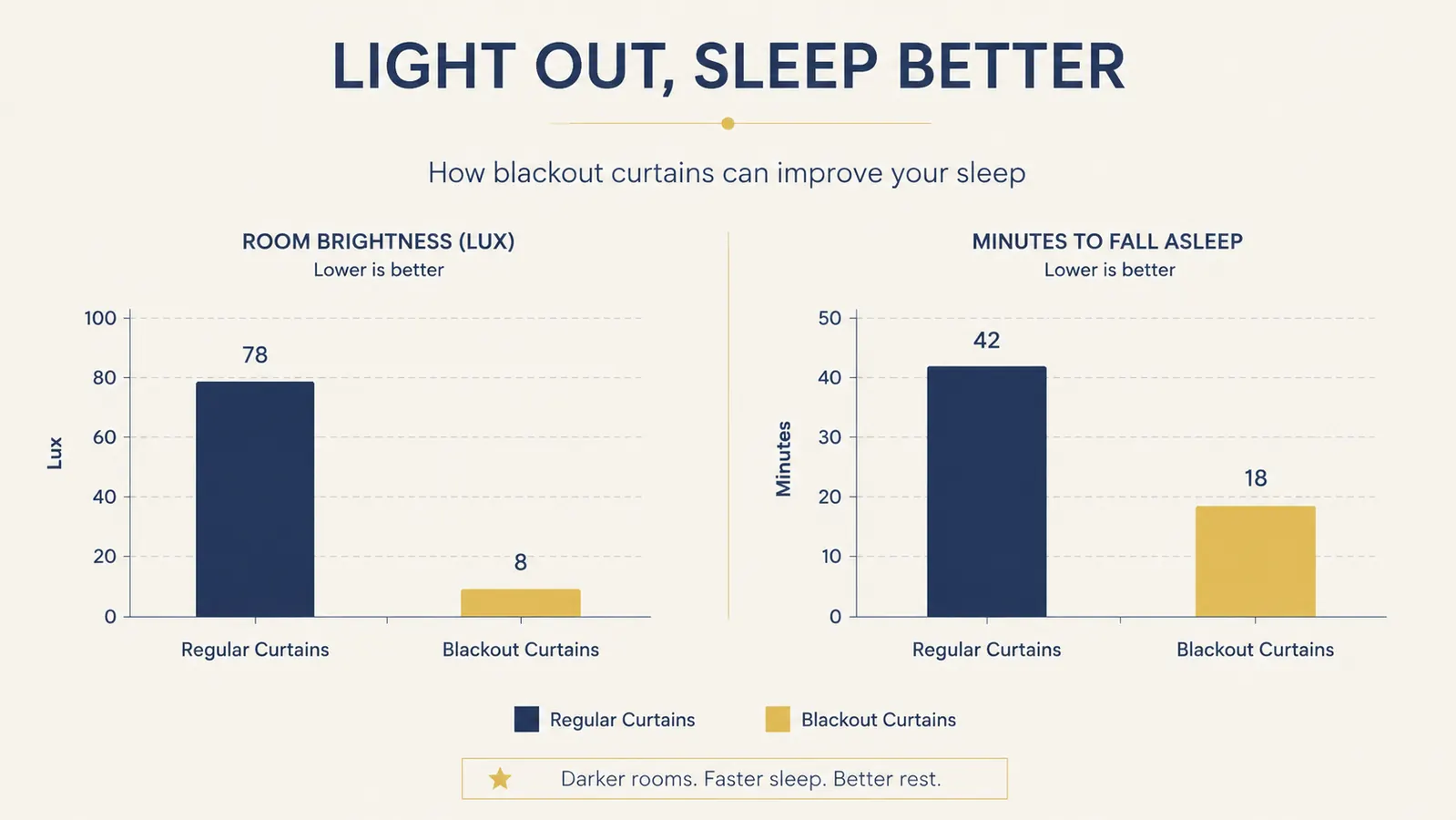
Your body reads light as a signal to stay alert, even small amounts of it. Sleeping in a room that's never fully dark means your brain is getting a steady trickle of 'stay awake' signals all night long, even while you're technically asleep. Once I started sleeping in real darkness, I noticed I was falling asleep faster and waking up less groggy, which lines up with how melatonin production works when light exposure drops close to zero.
They add a surprising amount of noise dampening
I didn't expect this one going in. The dense, layered fabric on the BGment curtains does more than block light, it also muffles some outside noise, especially higher-pitched sounds like traffic, car doors, or a dog barking a few houses down. It's not full soundproofing by any stretch, but combined with a pair of <a href="/silicone-earplugs-review-long-term">reusable silicone earplugs</a> it made a real difference on nights when the street was busier than usual.
They keep the room cooler in summer and warmer in winter
The same thermal-insulated fabric that blocks light also blocks a decent amount of heat transfer through the window glass. In July, my room stayed a few degrees cooler in the late afternoon with the curtains closed, before I even turned the AC down. In January, I noticed less of a draft near the window at night. It's not a replacement for good insulation or a new window, but it takes some of the load off my AC and heater during the extremes.
They make naps and shift-sleep actually possible
My husband works overnight shifts and has to sleep during the day, and before blackout curtains that meant sleeping in a room lit up like it was noon, because it was noon. Now he can close the curtains and get the same dark environment at 2pm that I get at 2am. If anyone in your house works nights, has a newborn on an odd schedule, or just needs a daytime nap now and then, this is one of the highest-impact changes you can make to the room.
They protect furniture and flooring from sun fading
This one's not about sleep directly, but it's worth mentioning since it's part of why the fabric works the way it does. My old curtains let enough direct sun through that the edge of my rug near the window had visibly faded after about a year. The blackout fabric blocks nearly all of that UV exposure, so my floor and the foot of my bed aren't taking daily sun damage anymore, which is a nice bonus on top of the sleep benefit.
They're an easy fix that doesn't require new habits
A lot of sleep advice asks you to change your behavior: no screens before bed, consistent wake times, cutting caffeine after noon, all things I've tried and failed to stick with more than once. Blackout curtains are different. You hang them one afternoon and they work every single night after that without you having to remember to do anything or talk yourself into a routine. That kind of set-it-and-forget-it fix is genuinely rare in the sleep world.
They're cheap for how much they change your nights
At a budget price depending on size, this is one of the lowest-cost upgrades I've made to my bedroom, and it had one of the biggest effects on how I actually sleep. Compare that to a new mattress, a white noise machine, or a supplement you have to keep buying every single month. Curtains are a one-time purchase that keeps paying off every night you sleep in that room, for years, with zero ongoing cost.
Amazon Check today's price on the curtains that changed my nights → →
What I'd Skip
I won't pretend these are perfect. The grommets can let in thin slivers of light at the very top and sides of the window if your frame is an odd size, so measure carefully and size up rather than down when you're between sizes. There's also a faint chemical smell out of the packaging for the first day or two, which airs out fast once you hang them but caught me off guard the first time I opened the bag. And if you genuinely love waking up with natural sunlight as your alarm, you'll need to actually get up and open these curtains in the morning, because they won't do it for you the way a smart shade might.
I didn't realize how much low-level light had been leaking into my sleep every single night until I finally blocked it out completely.
Ready to actually sleep in the dark?
The BGment blackout curtains are the exact pair I use, grommet-style, thermal-insulated, and available in a range of sizes to fit most standard windows. Check today's price and current stock on Amazon.
Amazon Check Today's Price on Amazon →