
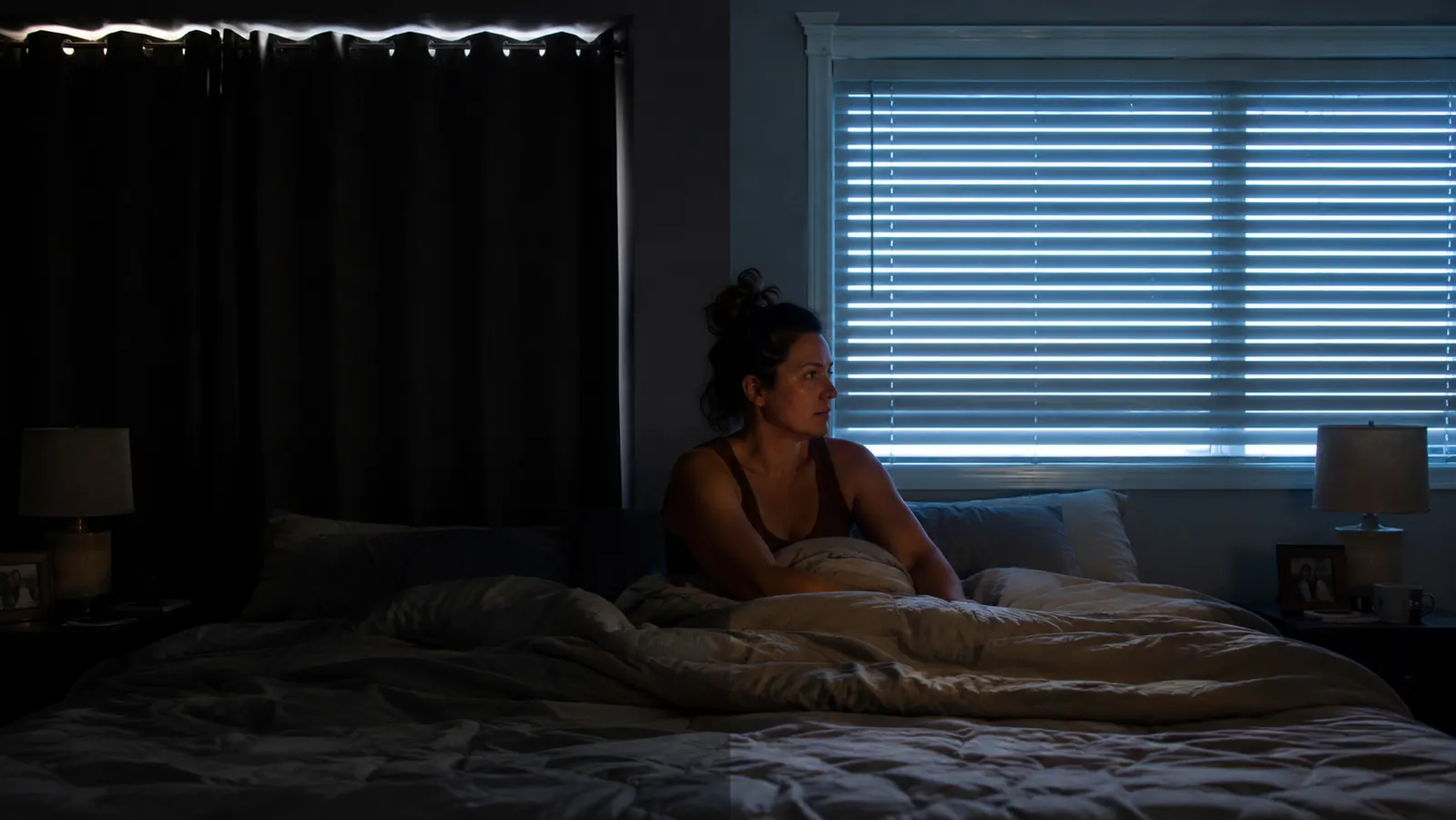
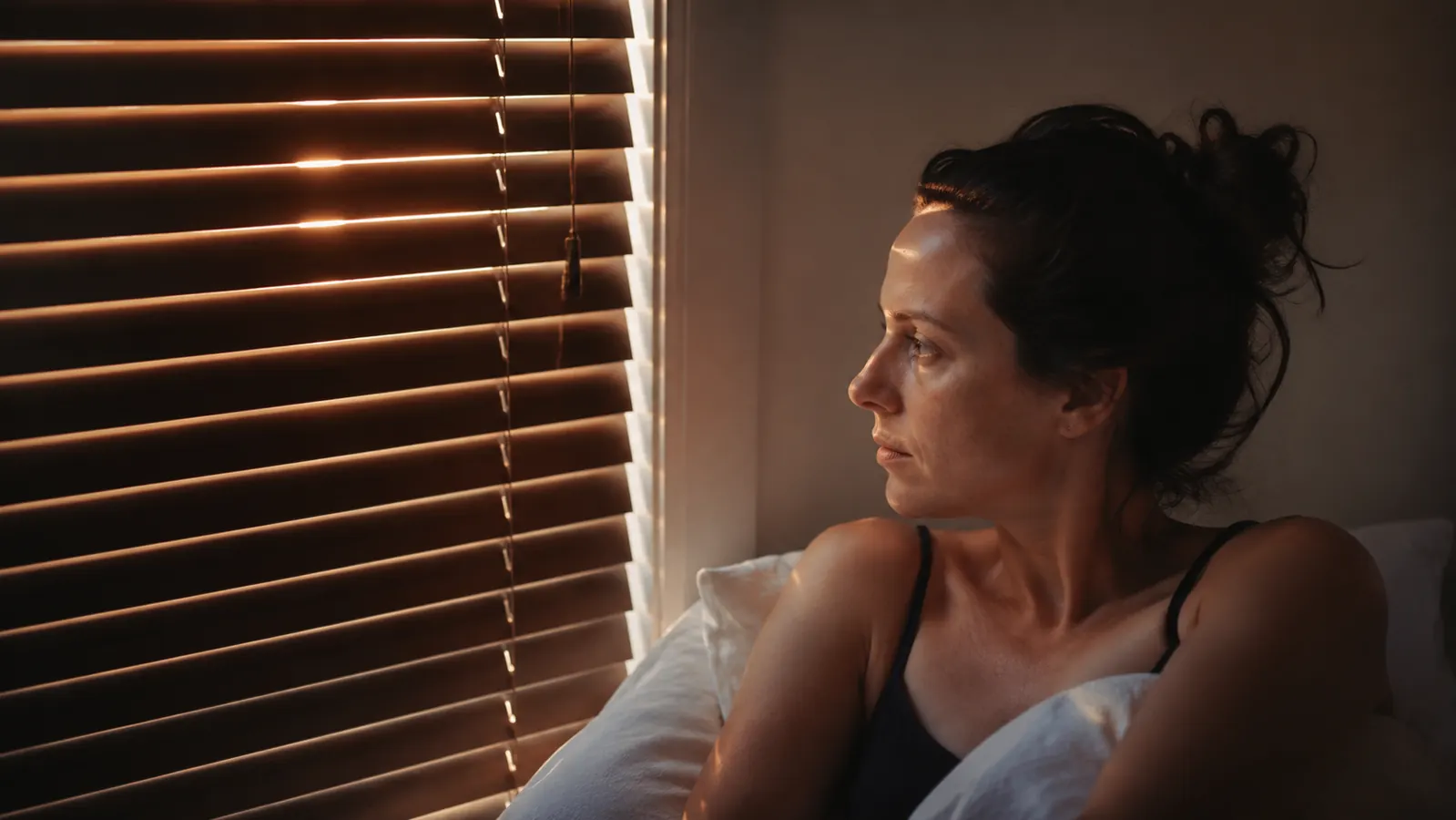
My bedroom faces east, and for years that meant waking up at 5:40am whether I wanted to or not. Sunrise would hit the blinds, sneak through every slat gap, and light up the ceiling like someone had flipped a dimmer switch halfway on. I tried living with it. I tried a sleep mask that slid off my face by 3am. Neither actually fixed the problem, they just worked around it while I kept losing that last real hour of sleep.
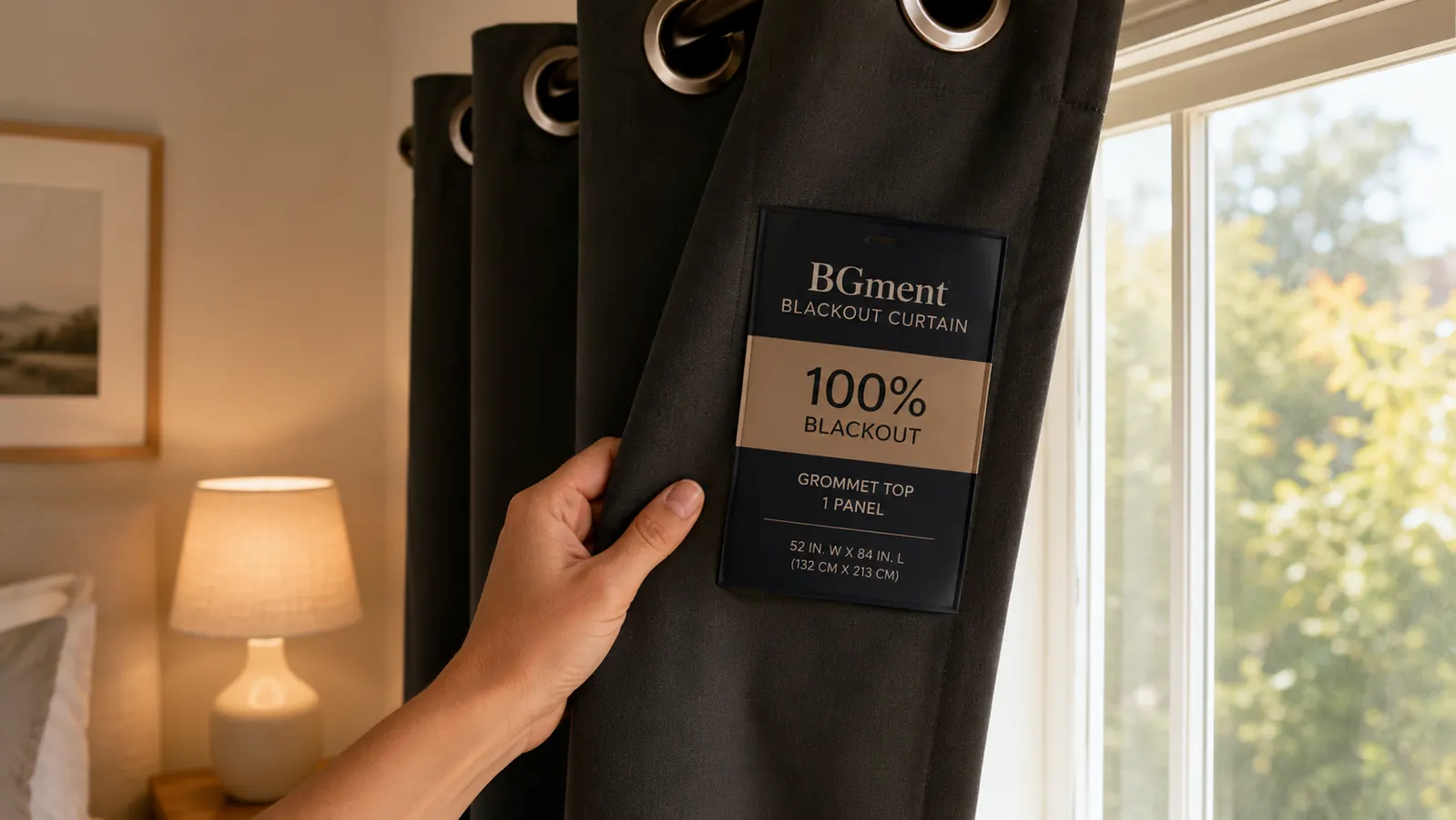
I tried blinds first because they seemed like the tidier option, no fabric to wash, no bulky panels hanging off the wall, and they matched the rest of the house better than curtains would. Then I switched to a set of BGment blackout curtains and the difference wasn't subtle. It was the difference between a room that's dim and a room that's actually dark, the kind of dark where you genuinely can't tell if it's 2am or 9am until you check your phone.
If you're weighing blackout curtains against blinds for a bedroom that gets hit by morning sun, streetlights, or a neighbor's motion-sensor floodlight, I've now lived with both setups long enough in the same room to give you a straight answer instead of a marketing one. Here's exactly what changed, what didn't, and where each one still earns its spot in a house.
| Blackout Curtains | Blinds | |
|---|---|---|
| Product | BGment Blackout Curtains | Standard 2-inch Faux-Wood Blinds |
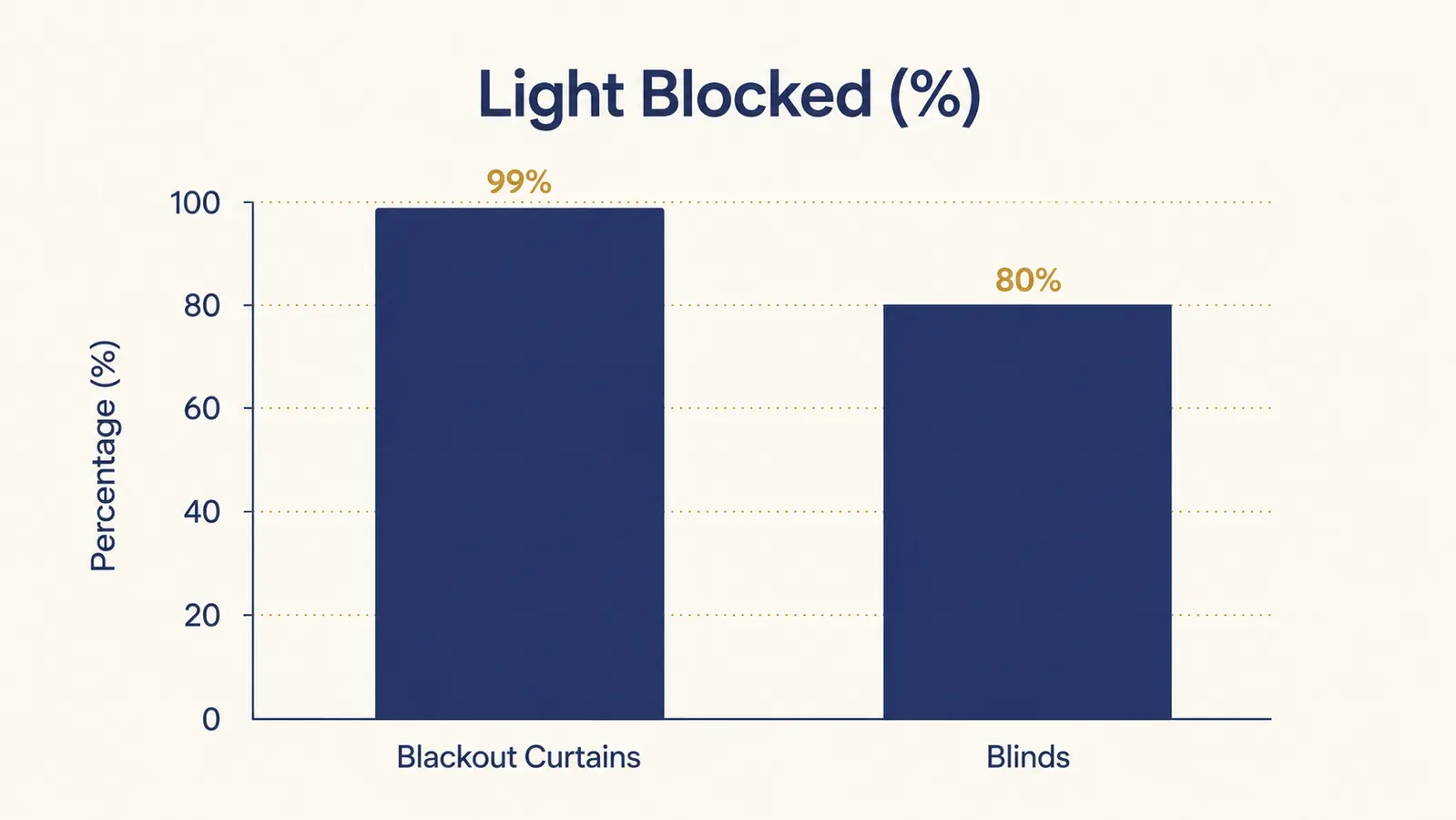
| Light blocked | About 99%, true room darkening | Roughly 75-85%, light leaks between slats and edges |
| Price (per window) | Very affordable for a 2-panel set | Mid-range to higher-end, varies by width and material |
| Installation | Grommet top, slides onto an existing rod in under 10 minutes | Requires drilling brackets into the window frame or wall |
| Noise dampening | Noticeable, thick triple-weave fabric absorbs some street noise | Minimal, hard slats don't absorb sound |
| Insulation | Thermal-insulated backing keeps room cooler in summer, warmer in winter | Some heat reflection but drafts still pass through slat gaps |
| Cleaning | Machine washable | Wipe down slat by slat with a cloth |
| Side/gap light leak | Minimal if hung wide enough to overlap the frame | Common along the sides and where slats meet the headrail |
| Best for | Bedrooms, nurseries, shift workers, anyone light-sensitive | Kitchens, offices, rooms where you want light control during the day |
Where Blackout Curtains Win
The big one is actual darkness. Blinds work by tilting slats to block direct sightlines, but they were never really engineered to seal a room the way curtains can. Even good faux-wood blinds leave a thin band of light where the slats meet the headrail, and another strip down each side where the blind doesn't quite reach the window frame. On a bright June morning that's enough to light up a whole ceiling, and it's exactly what was happening in my room every single day before I switched. My BGment curtains, when I hang the rod a few inches wider than the window and let the panels overlap in the middle, block essentially all of it. I get up when my alarm goes off, not when the sun decides to make that decision for me.
The second win is comfort beyond just light. The curtain fabric is thick enough that it also dulls sound a little. My street isn't loud, but garbage trucks at 6am and early joggers with their dogs used to register in my sleep even with the blinds down. With the curtains closed, that outside noise gets muffled just enough that it stopped waking me. The thermal backing matters too. My bedroom used to get noticeably warmer by 8am in summer with just blinds up, because slats don't block heat the way a dense fabric panel does. With the curtains closed, the room stays cooler longer into the morning, which matters if you're a hot sleeper the way I sometimes am.
There's also a cost angle that surprised me. I'd assumed blinds would be the cheaper option since they last a long time, but a decent set of faux-wood blinds for a standard window runs in the moderate range depending on width, and that's before you're paying someone to install the brackets if you're not comfortable drilling into a window frame yourself. The BGment curtains were budget-friendly for a two-panel set, and installation was sliding the grommets onto a rod I already owned. Cheaper and darker isn't a combination I expected going in, and it's the main reason I haven't second-guessed the switch since.
Winter brought a bonus I hadn't planned for either. The same thermal layer that keeps summer heat out also keeps a drafty single-pane window from turning my side of the bed into the cold spot in the room. My blinds never did anything for that draft, they're just slats with air moving freely behind and around them. The curtains, hung floor length and overlapping the frame, cut down on the cold air I used to feel rolling off the glass on windy nights.
Where Blinds Win
I'm not going to pretend blinds are useless, because they're genuinely better for certain rooms and certain routines. If you want light control during the day, tilt open for a little sun while keeping privacy, tilt closed for full privacy without total darkness, blinds do that better than curtains ever will. Curtains are more of a blunt instrument, open or closed, mostly dark or mostly bright. Blinds give you a dial you can adjust throughout the day without getting up to physically move fabric.
Blinds also don't need washing, which matters if you've got a household with allergies, pets that shed near the windows, or you just don't want another load of laundry every few months. Curtains, especially in a kitchen where grease and cooking smells drift, can start to smell or look dingy faster than a wipeable slat ever will. In a kitchen or home office, where you want light most of the day and privacy only sometimes, blinds are the more practical everyday choice. I still have them up in my kitchen and have no plans to change that. I just don't rely on them where sleep quality is the actual goal, because they were never built to solve that specific problem.
There's a durability angle worth mentioning too. Blinds, once mounted, don't sag or stretch the way a curtain rod can over years of daily use. If you've got kids or pets who might tug on fabric panels, slats are less likely to end up crooked or pulled half off the wall. I've had to re-tighten my curtain rod brackets twice in the years I've hung panels in various rooms. My kitchen blinds have needed zero maintenance since the day they went up.
A Quick Note on Installation Time
This ended up mattering more than I expected. The blinds in my kitchen took the better part of an afternoon, measuring the window twice, drilling pilot holes, leveling the mounting brackets, and getting the cord mechanism to sit right so it wasn't crooked. The BGment curtains took about eight minutes per window, and that included unpacking them and steaming out the fold lines from shipping. If you're renting, or you just don't want a weekend project for a light-blocking upgrade, that gap is worth factoring in before you buy either one.
Blinds manage light. Curtains block it. If your goal is actually falling back asleep at 5am instead of staring at a lit-up ceiling, that difference is the whole ballgame.
If mornings keep waking you up before your alarm, this is the fix
BGment's grommet blackout curtains slide onto your existing rod in minutes and block close to 99% of outside light. No drilling, no contractor, just an actually dark room by tonight.
Amazon Check Today's Price on Amazon →Who Should Buy Which
If your main problem is a bedroom that gets too bright too early, streetlights, sunrise, a neighbor's porch light on a motion sensor, go with blackout curtains. They solve the actual problem instead of managing it, and they do it for less money than a decent set of blinds. This goes double if you're a shift worker trying to sleep during daylight hours, or if you're light-sensitive the way I am and even a sliver of glow is enough to pull you out of deep sleep. I've got a friend who drives overnight routes and swears the curtains are the only reason he can sleep through a 2pm nap with the sun directly on his window.
If you're outfitting a kitchen, living room, or home office where you want to adjust light throughout the day and total darkness isn't the goal, blinds make more sense there. You'll get flexibility curtains can't offer, and you won't be dealing with fabric that needs regular washing in a high-traffic room. In my own house that ended up being both, blinds in the rooms where I want flexibility during the day, blackout curtains in the one room where I need it fully dark at night. For anyone still deciding on the sleep side of that equation, I'd also point you to my full BGment blackout curtains review after six months of nightly use, since price and install time only tell half the story, and there are a couple of small trade-offs worth knowing before you buy.
There's also a middle path some people land on, using both. A sheer or light-filtering blind for daytime privacy, paired with blackout curtains you close only at night. It costs more up front, but it gives you the flexibility of blinds with the guaranteed darkness of curtains when you actually need to sleep. I haven't gone that route myself since the curtains alone solved my problem, but it's worth knowing it's an option if your room has to serve double duty as an office by day and a bedroom by night.
If you want the warts-and-all version before you buy, including the couple of nights it took me to get the hang overlap right and the faint new-fabric smell that faded after one wash, I laid all of that out in my honest review of the BGment blackout curtains. It's the version I wish I'd read before I ordered mine, since the price and the light-blocking numbers only tell you half of what living with them is actually like.
A dark room isn't a luxury, it's the cheapest sleep upgrade you'll ever make
For about the price of a fast-food meal, BGment's blackout curtains turn a too-bright bedroom into one you can actually sleep in past sunrise.
Amazon Check Today's Price on Amazon →