

I used to think I was just a bad sleeper. Turns out I was a normal sleeper living next to too much noise. A snoring husband, a window AC unit that clicked on and off all night, an upstairs neighbor who apparently owns only work boots. None of that is unusual. What changed things for me wasn't a new mattress or a supplement, it was a cheap pack of reusable silicone earplugs I almost didn't buy because two other earplug brands had already let me down. Six months of nightly use later, here are the ten specific reasons earplugs, done right, actually help you sleep through noise instead of just muffling it a little and calling it good.
Still waking up every time something creaks, hums, or snores?
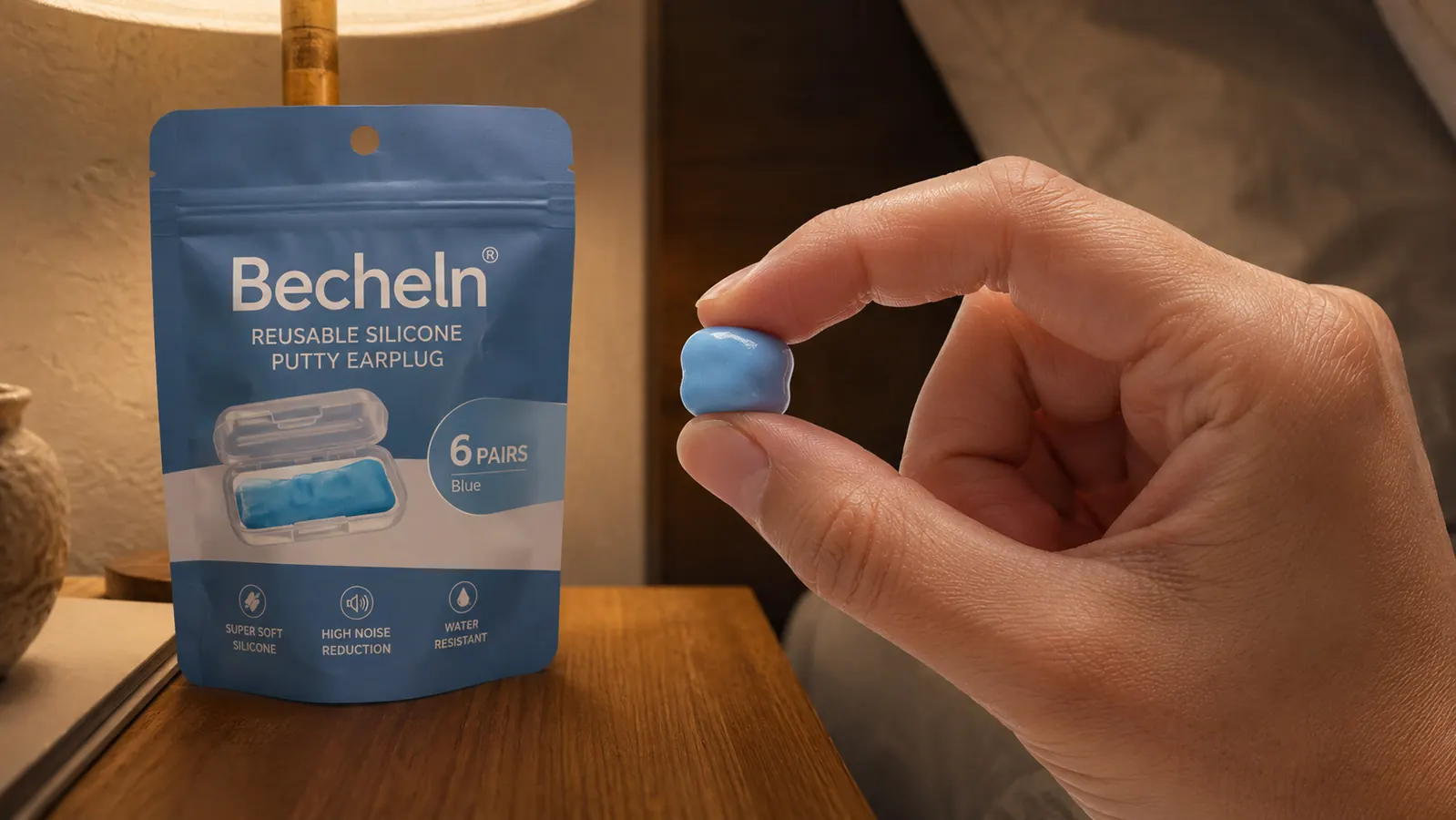
The Becheln reusable silicone earplugs mold to your ear canal instead of jamming in like foam. Check today's price on Amazon and see which of these ten reasons applies to your bedroom.
Amazon Check Today's Price on Amazon →They Cut Snoring Down to Background Hum
Snoring is a steady, low-frequency sound, and that happens to be exactly what silicone putty plugs are built to handle. My husband Mark's snoring used to sound like a lawn mower idling next to my pillow. With the Becheln earplugs in, it drops to something I can genuinely sleep through, a distant hum instead of a jolt every time he shifts positions. If you've read my full <a href="/silicone-earplugs-review-long-term">six-month review of these earplugs</a>, you know this was the single biggest change for me.
They Mold to Your Ear Instead of Fighting It
Foam plugs expand inside your ear canal, which is exactly what made them miserable for me as a side sleeper. Silicone putty works differently. You warm it between your fingers, roll it soft, then press it across the outer opening of your ear rather than pushing it in deep. It seals like a soft dome instead of wedging in, which means no rigid pressure against cartilage when you turn your head into the pillow at 2 a.m.
They're Actually Comfortable for Side Sleepers
This was my biggest worry before I bought them, since I sleep almost entirely on my side and foam plugs used to dig in uncomfortably against the pillow. Because the putty sits flush against the outer ear rather than deep in the canal, there's nothing hard pressing into your ear when you roll over. I do still notice a very light awareness of them against a firmer pillow, similar to sleeping with a hair tie on your wrist, but it's nowhere near the discomfort foam gave me.
They Don't Block Your Alarm
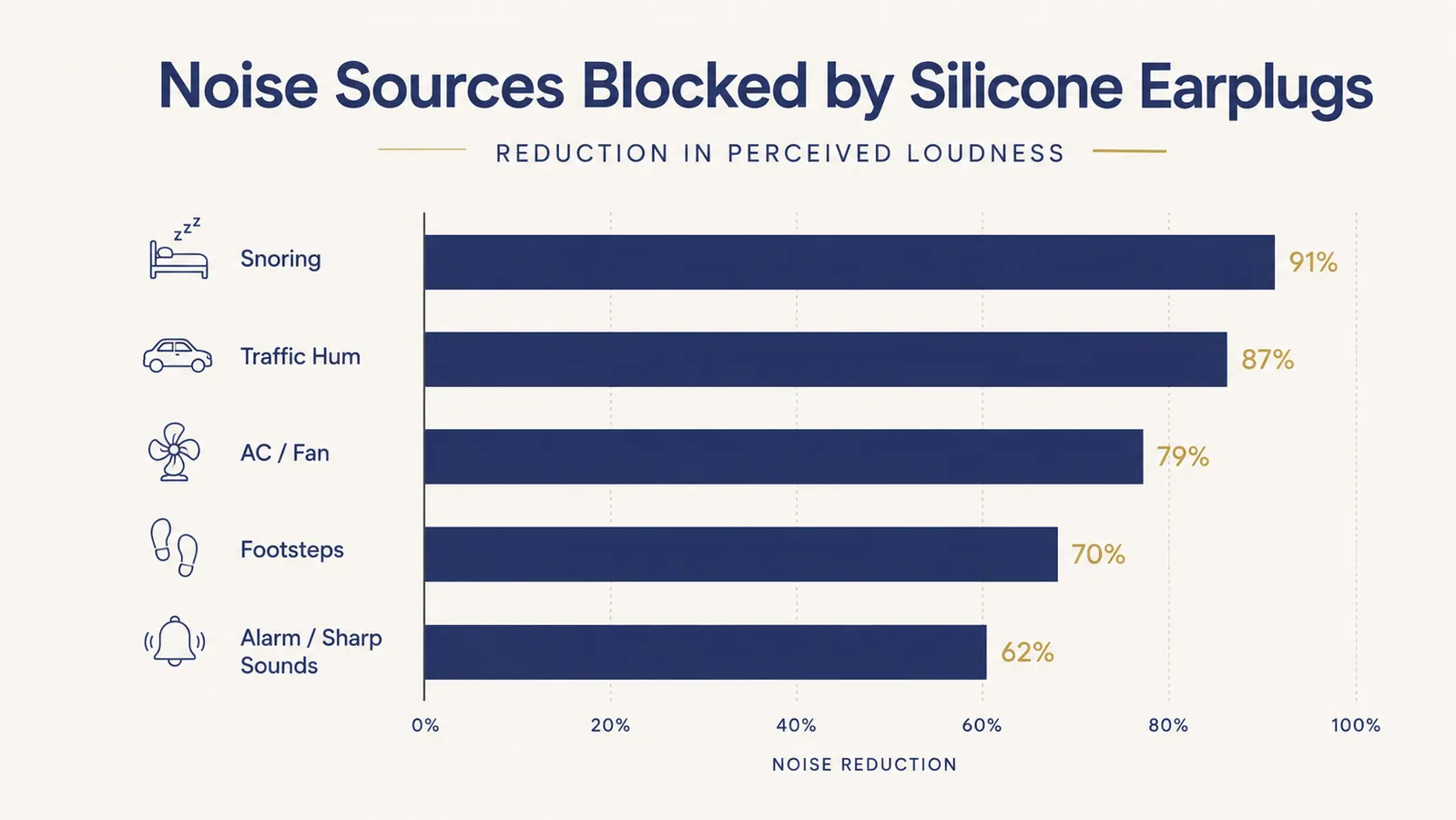
This sounds like a downside, but it's actually one of the most useful things about how these work. Silicone putty is great at steady, low-frequency noise like snoring or traffic hum, but sharper, higher-pitched sounds like a phone alarm still get through at a normal volume. That means you can block the noise keeping you awake without accidentally sleeping through your 6 a.m. alarm, which is a real risk with some heavier-duty earplugs.
They Travel Well for Hotels, Flights, and Rest Stops
I didn't expect this to matter as much as it has. I took mine on a work trip to a hotel right off the interstate, the kind of place where trucks idle in the lot most of the night, and slept close to seven hours anyway. I've since napped through two cross-country flights using nothing but these and a travel pillow. If you're on the road a lot, this is worth reading alongside <a href="/how-to-block-snoring-partner-with-earplugs">how to block a snoring partner with earplugs</a>, since a lot of the same seal technique applies to hotel AC units and idling engines.
They Handle Apartment and Dorm Noise Well
Footsteps overhead, muffled conversation through drywall, a neighbor's TV bleeding through a shared wall, these all fall into that same steady, low-frequency category the putty is built to muffle. If you live somewhere with thin walls, this is one of the more underrated uses for the Becheln silicone earplugs, since it's not the situation most earplug reviews talk about but it's where a lot of noise-sensitive sleepers actually live.
They're Reusable, Which Actually Saves Money
A single pack comes with six pairs and a small carrying case. With basic care, I've gotten six to eight weeks of nightly use out of each pair before the putty stops holding its shape well. That works out to close to a year of steady use from one budget-priced pack, which is a genuinely different math problem than buying disposable foam plugs every week or two.
They Force a Small Hygiene Habit That Pays Off
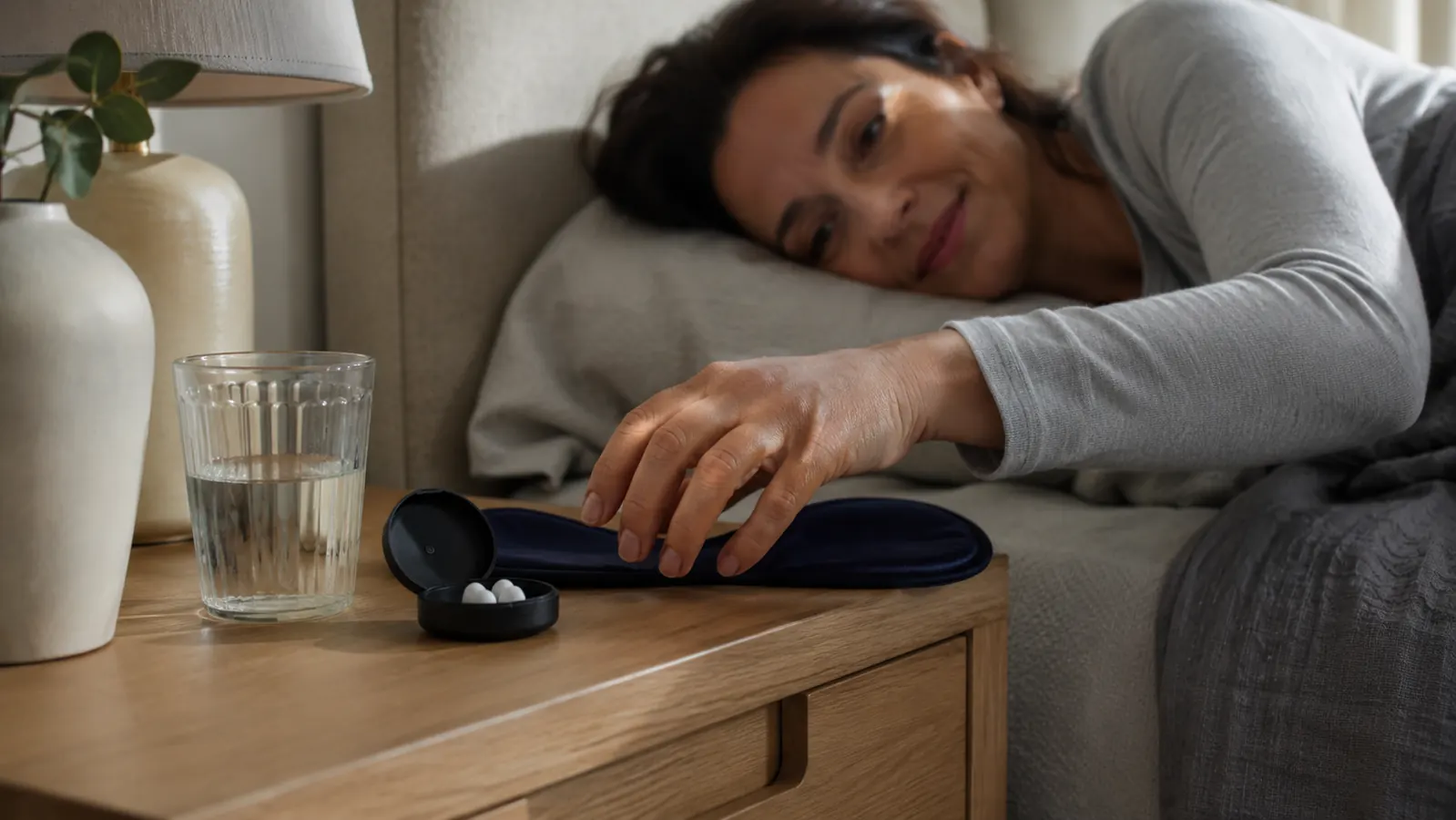
This one's more of a hidden benefit than it sounds. Because silicone putty needs a quick rinse most mornings to stay tacky and clean, it builds in a tiny bedtime and morning routine. I keep mine on a small dish on my nightstand now, and that little ritual, warm the putty, shape it, press it in, has become part of what signals to my brain that it's actually time to wind down.
They Give You Back Control Over Your Own Sleep
There's a specific kind of exhaustion that comes from lying awake, angry at a sound you can't control. A snoring partner, a neighbor, traffic. Earplugs don't fix the source of the noise, but they hand a piece of control back to you. You stop waiting for the world to go quiet and start doing something about your own night instead.
They're a Low-Risk First Step Before Anything Bigger
Before spending money on a white noise machine, soundproofing panels, or a new bedroom altogether, earplugs are the cheapest experiment you can run. At budget pricing for a pack that lasts close to a year, there's very little to lose in finding out whether steady background noise is really what's been wrecking your sleep. For a lot of people, myself included, it turns out to be the whole problem.
What I'd Skip
Earplugs aren't a fix for every kind of noise. If you're dealing with sudden, sharp sounds like sirens, car alarms, or a dog barking at odd hours, silicone putty plugs will take the edge off but won't fully block it the way foam sometimes can. And if you're not willing to rinse them most mornings, skip the Becheln silicone earplugs and go with cheap disposable foam instead, since neglected putty gets genuinely unpleasant fast. I'd also skip these if you've had ear canal sensitivity or infections in the past without checking with a doctor first, since anything sealing against the ear isn't right for every ear.
The noise didn't go away. I just stopped being the one lying awake because of it.
Ready to find out if noise is really what's been keeping you up?
Six reusable pairs, budget-friendly, and a fit that actually works for side sleepers. Check today's price on Amazon and give tonight a real shot at being quiet.
Amazon Check Today's Price on Amazon →