
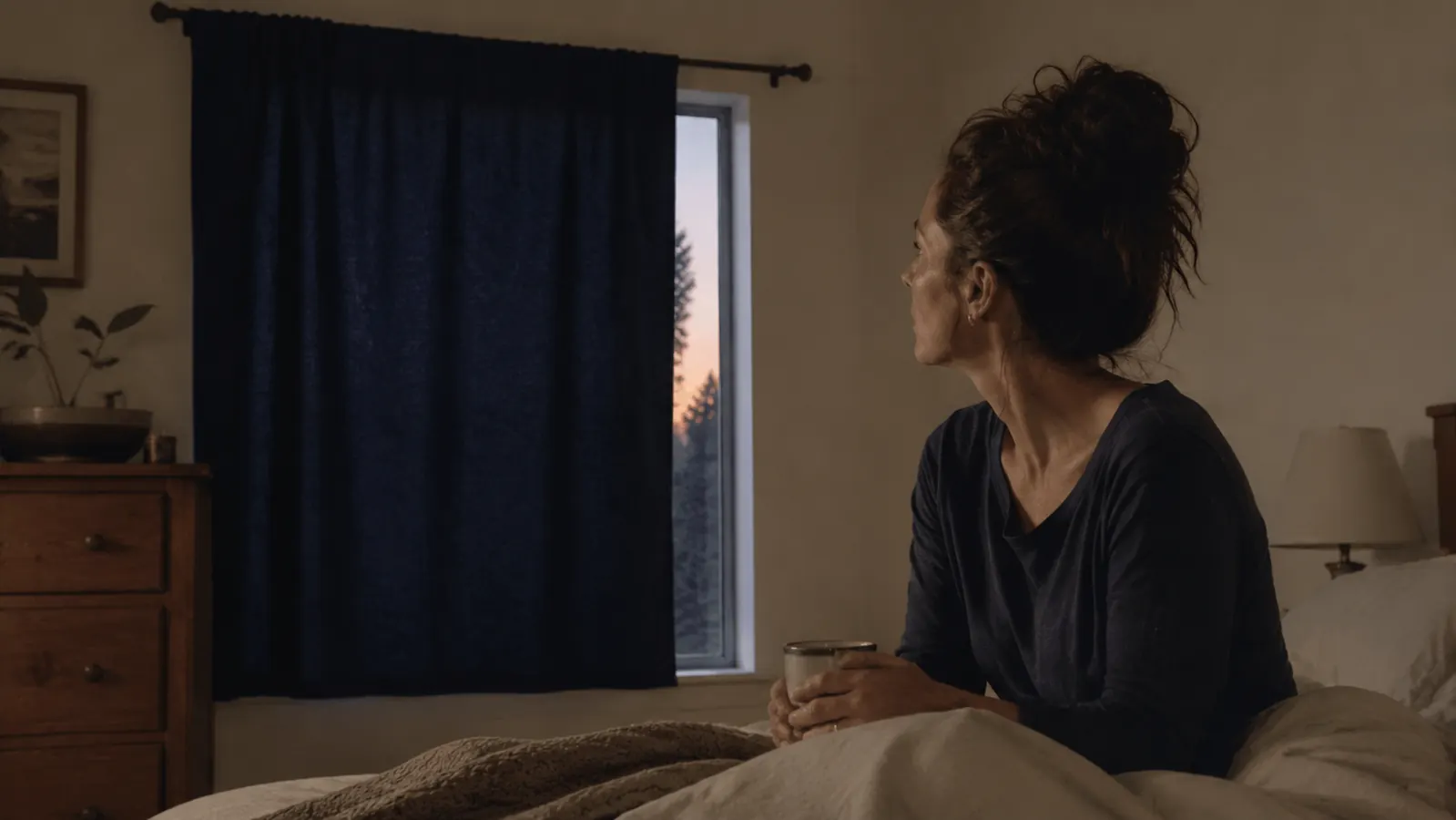
I want to start with the thing that would have saved me the most frustration if someone had just told me upfront: a blackout curtain panel can be rated for total darkness and still leak light like a screen door, and it has almost nothing to do with the curtain itself. It's the gaps around it. I learned that the hard way with the BGment panels, and by the time I got it sorted out I'd already made two small sizing mistakes that I see other buyers making in the reviews section too.
This isn't a takedown. I still have these hanging in my bedroom and I still recommend them. But I'm not going to pretend the first two weeks were the seamless, instantly-dark experience the product photos suggest. Here's the honest version, including the parts that would have changed how I set mine up if I'd known in advance.
The Quick Verdict
A genuinely well-made blackout fabric let down slightly by a listing that doesn't warn you about hardware options, sizing math, or the initial smell. Fixable, but you should know before you buy, not after.
Amazon Check Today's Price →The reviews don't mention the sizing math. I'm going to, before you order the wrong width.
Blackout fabric only works if it actually covers the window with room to spare. Get the width right the first time and you skip the two weeks of light-gap troubleshooting I went through.
Amazon Check Today's Price on Amazon →The Grommet-vs-Hook Decision Nobody Explains Well
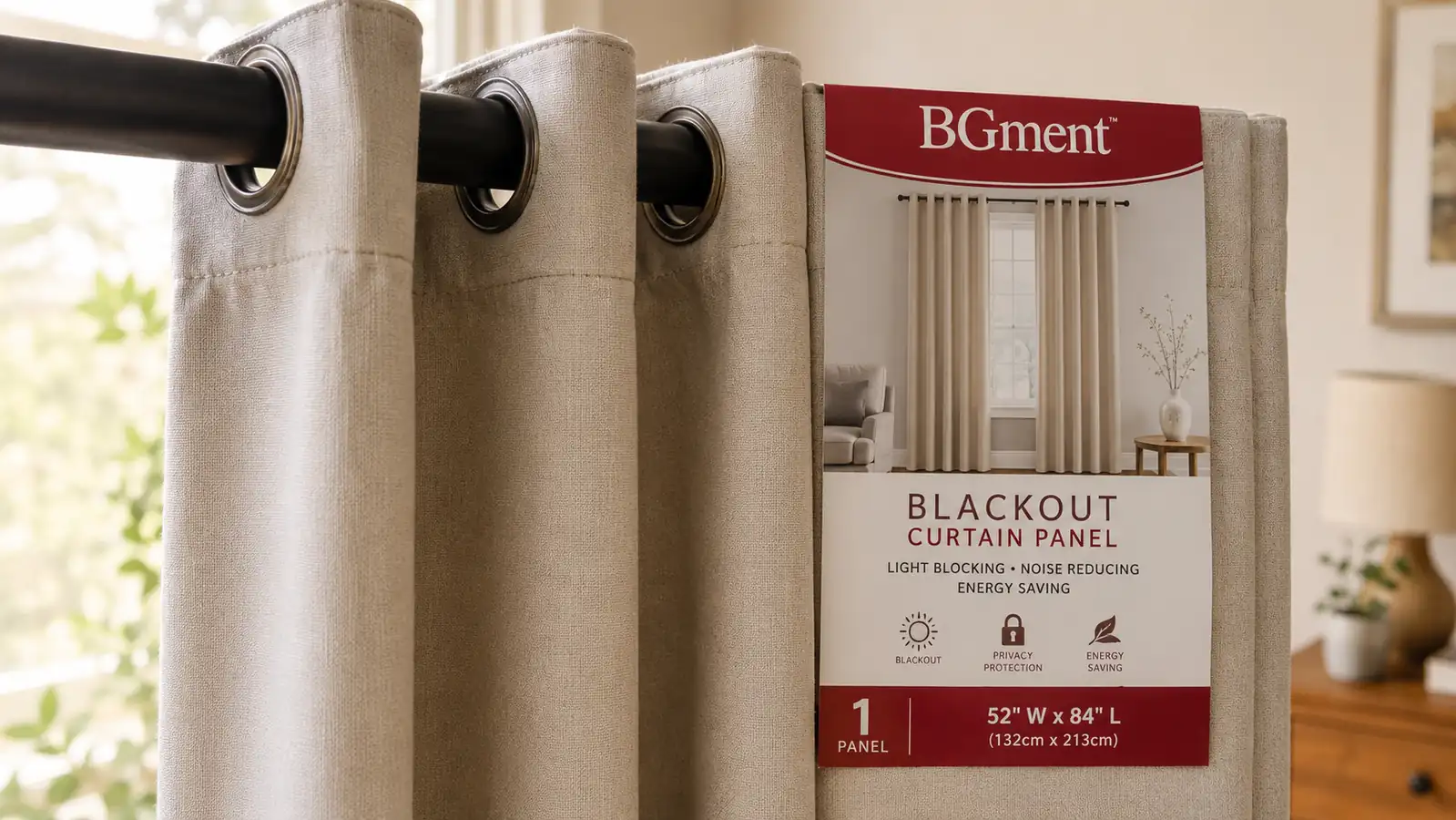
BGment sells this line in a few different header styles, and the listing photos mostly show the grommet version, metal rings punched through the top of the panel that thread directly onto a rod. What the main photos don't make obvious is that there's also a hook-and-loop or rod-pocket version depending on which listing variant you land on, and the two behave differently in ways that matter for blackout purposes specifically.
Grommets sit flush against the rod with almost no gap between the fabric and the metal ring, which is good for blocking light at the top. But because the rings are rigid, the fabric can't be pinched or pleated tighter than the ring diameter allows, so if you ever need to bunch the panel to add width, you're limited. A hook style lets you overlap and pleat more freely, but it also tends to create small gaps between hooks where light can sneak through along the top edge if your rod is a plain round rod rather than a proper track.
I ordered the grommet version, and for my situation it was the right call because I have a simple round curtain rod and wanted the cleanest possible seal at the top. But I've seen buyers order the wrong style for their rod setup and then blame the fabric for light leaks that were actually a hardware mismatch. Check what kind of rod you already have before you pick a header style, not after.
There's a third option worth knowing about if you've got a proper curtain track rather than a round rod, the kind that's built into a lot of newer apartments along the ceiling line. Those tracks use small glide hooks that clip into a channel, and the grommet version of these panels won't work with them at all since there's no ring for the track glide to catch. If that's your setup, look specifically for a listing that says hook or pinch-pleat compatible, because ordering the wrong header style means returning the whole thing and starting over, which is exactly what happened to a friend of mine who assumed all blackout curtains hang the same way.
The Sizing Math That Almost Got Me
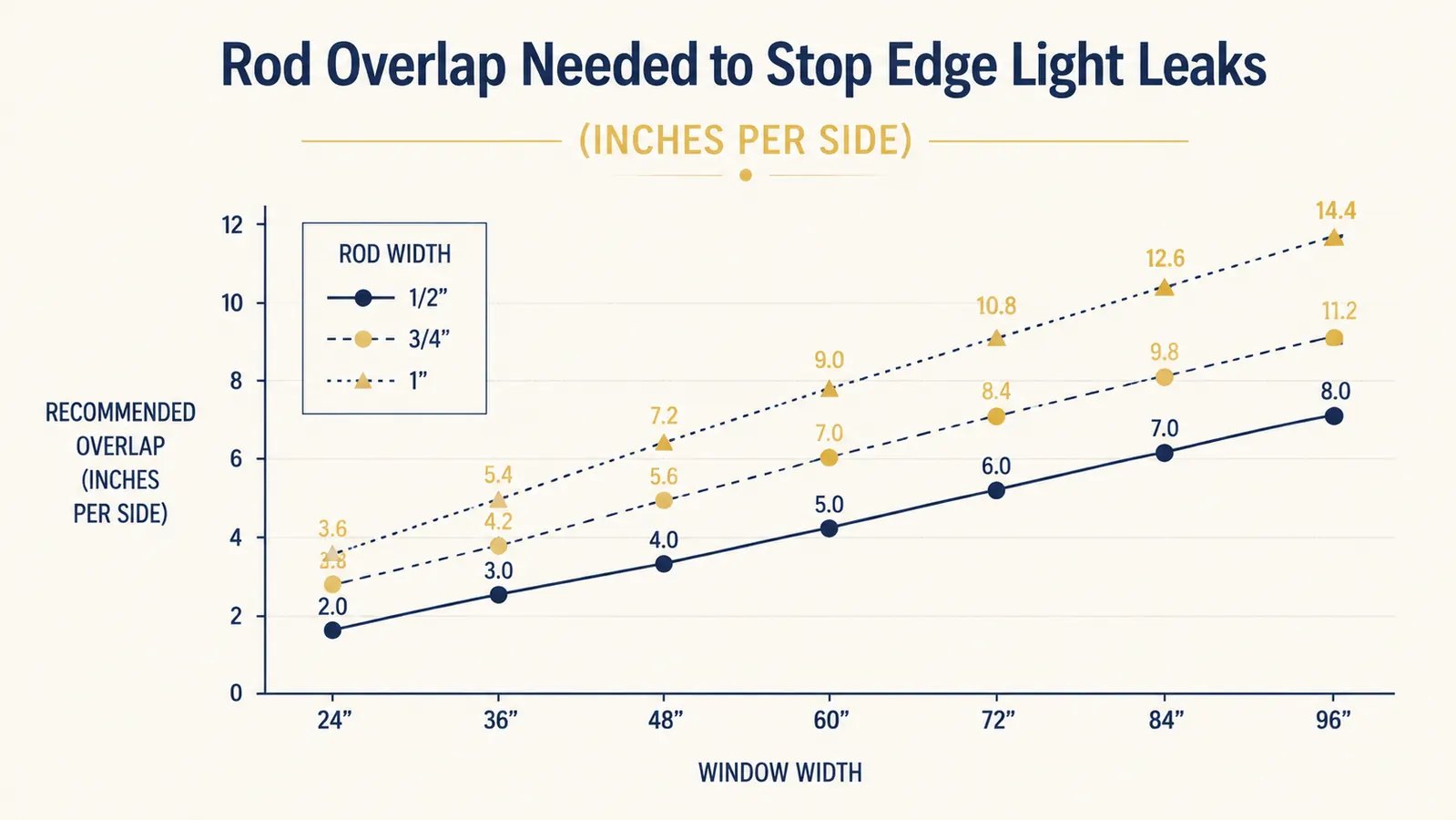
My window opening is 34 inches wide. My first instinct, like most people's, was to order a panel width that roughly matched the window, maybe a little more. That's the mistake. Blackout curtains need to be sized to your rod, not your window, and the rod needs to extend well past the window frame on both sides if you want zero light bleeding around the edges.
I ended up needing to extend my existing rod brackets outward by about 5 inches on each side, which meant the rod itself went from resting basically flush with my window frame to spanning about 44 inches total. If I'd ordered a 42-inch-wide single panel to match a 34-inch window like I almost did, I would have had visible daylight strips down both sides no matter how good the fabric itself was. The panels I actually bought are wider than the window on purpose, and it's the single biggest factor in whether these curtains actually deliver a dark room or just a dimmer one.
If your window is a standard size, budget for a rod that's at least 8 to 10 inches wider than the frame, split evenly on both sides, and buy your panel width to match that extended rod length, not the window opening itself. This one detail is buried in customer photos and reviews, not the main product description, and it's the difference between disappointment and actual darkness.
I'll admit the extra rod hardware annoyed me at first, mostly because it felt like an unadvertised extra step. But once I did the math, adding two longer bracket arms cost me very little at a regular hardware store, and took less time than assembling most furniture. Compared to the price of custom-fit blackout shades, which I priced out beforehand and which ran well into the hundreds for my window size, a slightly wider rod is a rounding error. I just wish the listing had said so plainly instead of leaving me to piece it together from customer photos and a few scattered comments in the Q&A section.
What Happens the First Time You Open the Box
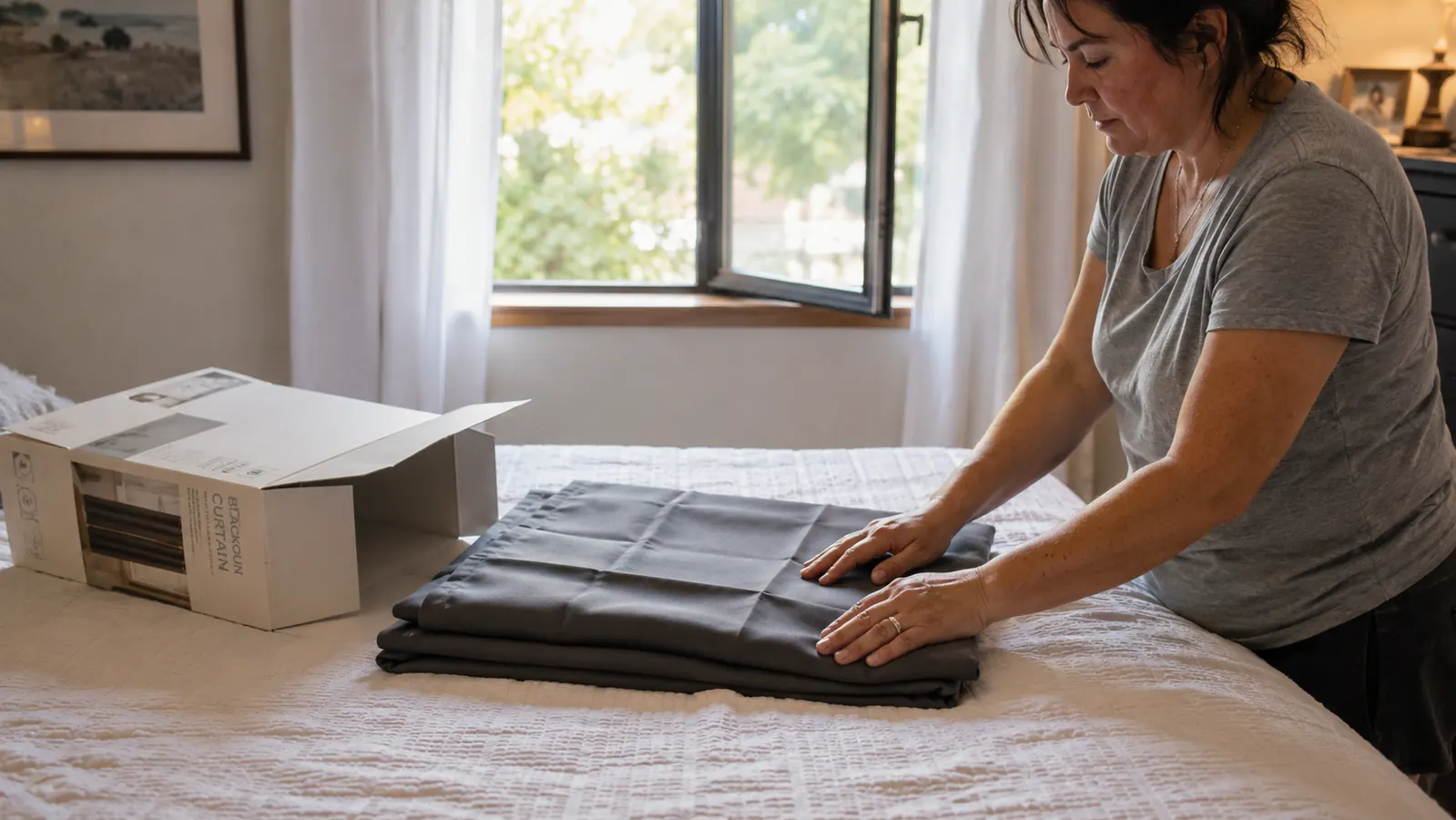
Here's something the glossy product photos definitely don't show you: these come out of the packaging with a noticeable chemical-adjacent smell, similar to new upholstery fabric or a fresh shower curtain liner. It's not offensive, but it's there, and if you're sensitive to synthetic smells or planning to hang these the same night you open the box, you'll notice it in the bedroom for at least a day or two.
What worked for me was unfolding both panels the moment they arrived and draping them over a shower curtain rod in my bathroom with the window cracked for about 36 hours before hanging them in the bedroom. That got the smell down to almost nothing by the time they went up. I didn't wash them first, since the fabric was in good shape and washing before the first hang felt unnecessary, but I know some buyers do run a cold gentle wash right out of the bag if the smell bothers them more than it bothered me. Either approach works, just don't plan on hanging these straight from the shipping bag and sleeping next to them that same night if you're sensitive to new-fabric smell.
For comparison, it was milder than the smell I remember from a vinyl shower curtain liner but stronger than a plain cotton sheet set fresh from the package. My husband, who doesn't usually notice these things, mentioned it unprompted on day one, which told me it wasn't just me being sensitive. By day three it was gone completely, no lingering trace even up close to the fabric. If you're the type of shopper who already knows you react to new-carpet or new-car smell, build the airing-out step into your plan from the start rather than treating it as an inconvenience you didn't expect.
The Edge Light Gap, Honestly Assessed
This is the complaint I see most in other reviews, and it's a real one, not an exaggeration. Straight out of the box, hung on a standard-width rod with no adjustment, these panels do let in a visible edge of light on both sides and sometimes a thin strip at the very top where the panel meets the rod. The blackout fabric itself, the actual weave, blocks light about as completely as any fabric I've tested. The problem is entirely about coverage area, not fabric density.
I want to be specific about how bad this was for me before I fixed it. On a clear morning in the first week, before I'd extended my rod, I could still make out the time on my phone without turning on a light by about 5:15 a.m., purely from the edge leaks. That's not a subtle issue if total darkness is your goal. Once I extended the rod width and added a small magnetic clip where the two panels overlap in the middle, that same room stayed dark enough that I couldn't see my hand in front of my face at that same hour. Same curtains. Different hanging setup. Completely different result.
The top gap took a separate fix from the side gaps, and it's worth calling out on its own since most advice online only talks about width. My rod originally sat about two inches above the window frame, which is standard, but that gap let a visible sliver of hallway light and early morning glow in from directly above the panel. Mounting the rod bracket another inch and a half higher, so the fabric itself now overlaps the top of the frame rather than starting right at it, closed that specific leak completely. It's a small adjustment, but if you fix only the sides and skip the top, you'll still notice light, just from a different direction than you expected.
If you want the exact measurements and hanging order I used to close that gap for good, I laid it out step by step in a separate guide: how to block streetlight with blackout curtains. It applies just as well to sunrise as it does to a streetlamp.
Where These Fall Short of Being Real Soundproofing
I want to correct an expectation I had before I bought these, because I suspect other buyers have the same one. I assumed a thick triple-weave blackout fabric would meaningfully quiet outside noise, close to what you'd get from a soundproofing curtain marketed specifically for that purpose. It doesn't, not really. There's a mild dampening effect, mostly on higher-pitched sounds like a car door or a dog bark carrying from a few houses down, but low rumbling noise like a passing truck or a bass-heavy car stereo comes through basically unaffected.
If sound is your main problem rather than light, don't buy these expecting a fix. They're a light-blocking product with a small noise side benefit, not the reverse. I made this mistake in my head before I ever unboxed them, and it took about a week of still hearing my neighbor's early trash pickup to correct my expectations.
The Color-Matching Surprise
One small thing that caught me off guard: the navy color on my screen, on three different devices, looked noticeably lighter and more blue-gray than what arrived. In person the fabric reads as a much deeper, almost black-navy, which I actually prefer, but if you're matching these to a specific existing color scheme in your bedroom, I'd treat the online photo as a rough guide only. Order a color sample swatch first if BGment offers one for your exact listing, or be ready for the shade to run darker than expected.
What I Liked
- Fabric itself blocks light completely once coverage gaps are addressed
- Grommet hardware glides smoothly and hasn't loosened or rattled after months of daily use
- Color held up with no fading despite direct sun exposure
- Machine washable without shrinkage or cracking in the blackout layer
- Reasonably priced compared to custom blackout shades or window film
Where It Falls Short
- Sizing needs to be based on your rod width plus overlap, not your window opening, and this isn't explained clearly in the listing
- Noticeable chemical-adjacent smell out of the box that takes a day or two of airing to fade
- Standard hanging leaves real, measurable light gaps at the top and sides
- Minimal noise dampening, not a substitute for actual soundproofing
- True color runs darker and more saturated than the product photos suggest
The fabric was never the problem. The gap between the fabric and the wall was. Nobody puts that in the bullet points.
Who This Is For
These make the most sense for someone willing to spend an extra 20 to 30 minutes getting the rod width and overlap right before judging the product. If you're comfortable extending a rod bracket a few inches or adding a cheap magnetic clip at a center seam, you'll end up with a genuinely dark room for a fraction of the cost of custom blackout shades. They're also a solid fit if you already own a decent rod and just need the fabric to do its job, since you're not locked into buying an entire new curtain system.
For a full look at how these performed over six months of nightly use once the setup was dialed in, including the wake-up time data I tracked, I wrote a longer-term breakdown here: BGment blackout curtains long-term review. And if you're still deciding between curtains and blinds for your specific window, I compared the two directly in blackout curtains vs blinds.
Who Should Skip It
If you're not willing to touch your existing curtain rod setup at all, no extending brackets, no adjusting mount height, these will likely disappoint you with the same edge-gap complaints you'll find in other reviews. The fabric can't compensate for a rod that ends exactly at the window frame. Skip these too if noise is your primary sleep problem rather than light, since the dampening effect here is minor and won't solve a genuinely loud street or a snoring partner on its own. And if smell sensitivity is a serious issue for you, plan on at least 48 hours of airing before these go anywhere near your actual sleeping space.
Now that you know the sizing math and the smell, the actual fabric is the easy part to get right.
Order the panel width to match your extended rod, not your window, air it out for a day or two, and you'll skip the two weeks of troubleshooting I went through. Check today's price and current stock for your window size.
Amazon Check Today's Price on Amazon →