
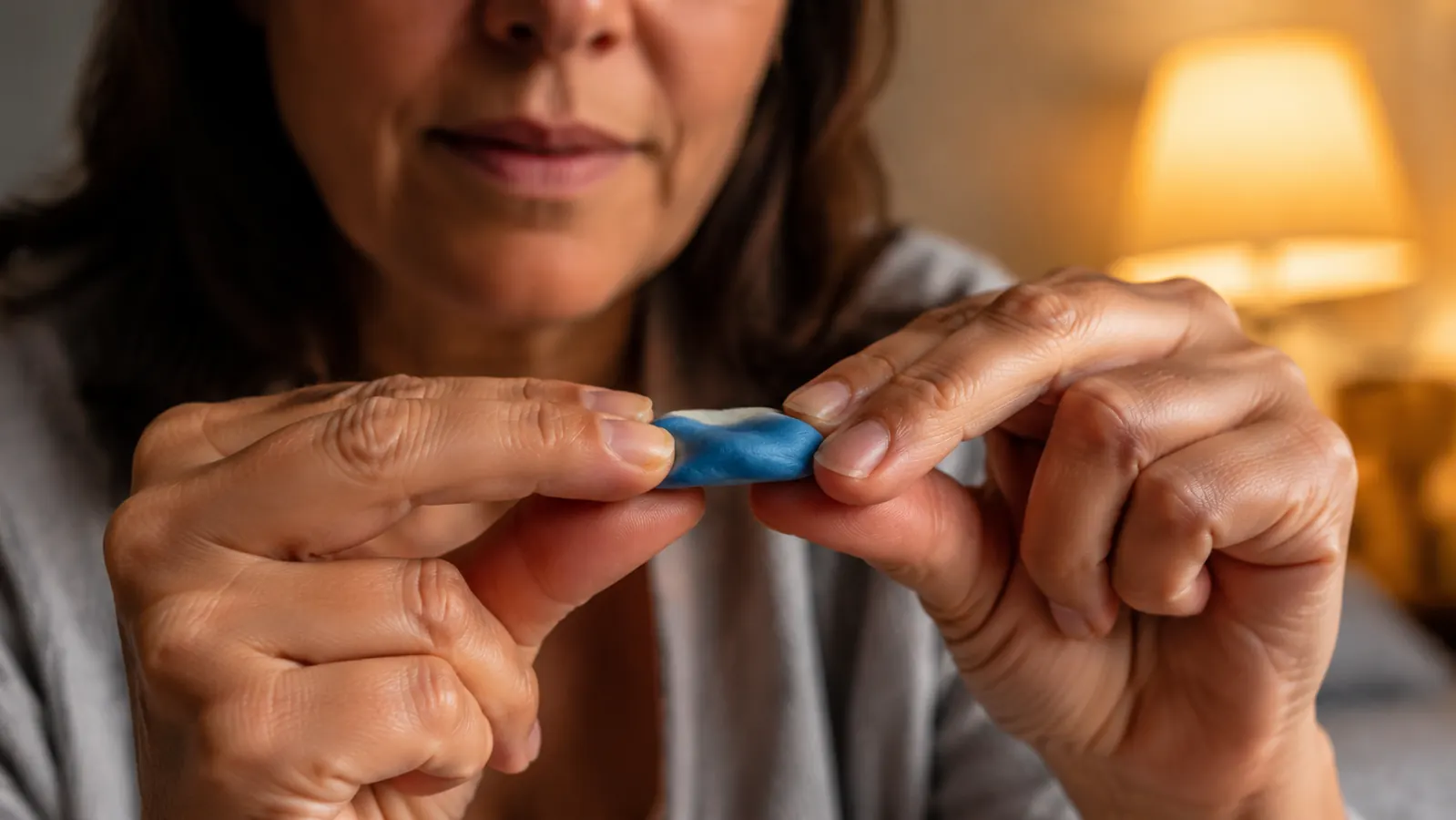
I want to be upfront about something before you buy the Becheln Reusable Silicone Ear Plugs: I still use them almost every night, and I'd still recommend them. But if you've only seen the Amazon listing photos, the smiling stock model, the five-star headline reviews, there's a chunk of the real experience nobody's telling you about. I'm Nora, and I've worn these on and off for about four months now. This isn't the glowing version. This is the version with the tacky residue, the hair-pulling, and the question of how often you're actually supposed to replace a budget pack of putty you jam in your ear canal every night.
None of this is a takedown. It's the stuff that would have saved me a week of mild annoyance if someone had just said it plainly first, before I'd already formed opinions about whether I liked these or not.
The Quick Verdict
Genuinely effective and reusable, but there's a real learning curve around hygiene, hair, and knowing when to replace a pair, none of which the listing mentions.
Amazon Check Today's Price →The honest version, not the five-star headline version
These work. They also come with a short list of small annoyances nobody puts in the bullet points. Here's every one of them, from someone who's actually lived with a pair for months.
Amazon Check Today's Price on Amazon →How I Actually Tested These, Not Just Wore Them Once
I didn't base this on a single night. I rotated through two separate packs over four months, in three different rooms of my house, side sleeping and back sleeping, with and without my hair tied back, washed and unwashed, to see where the real problems showed up rather than just repeating whatever the box promised.
I also deliberately did the things you're not supposed to do: set a used plug on the nightstand instead of the case, skipped hand-washing a few nights in a row, wore the same pair well past the point I suspected it had lost its tack. That's where most of the honest findings below came from. A brand-new plug on night one tells you almost nothing about what this product is actually like to live with.
The Moldable Silicone Thing Is Genuinely Different From Foam
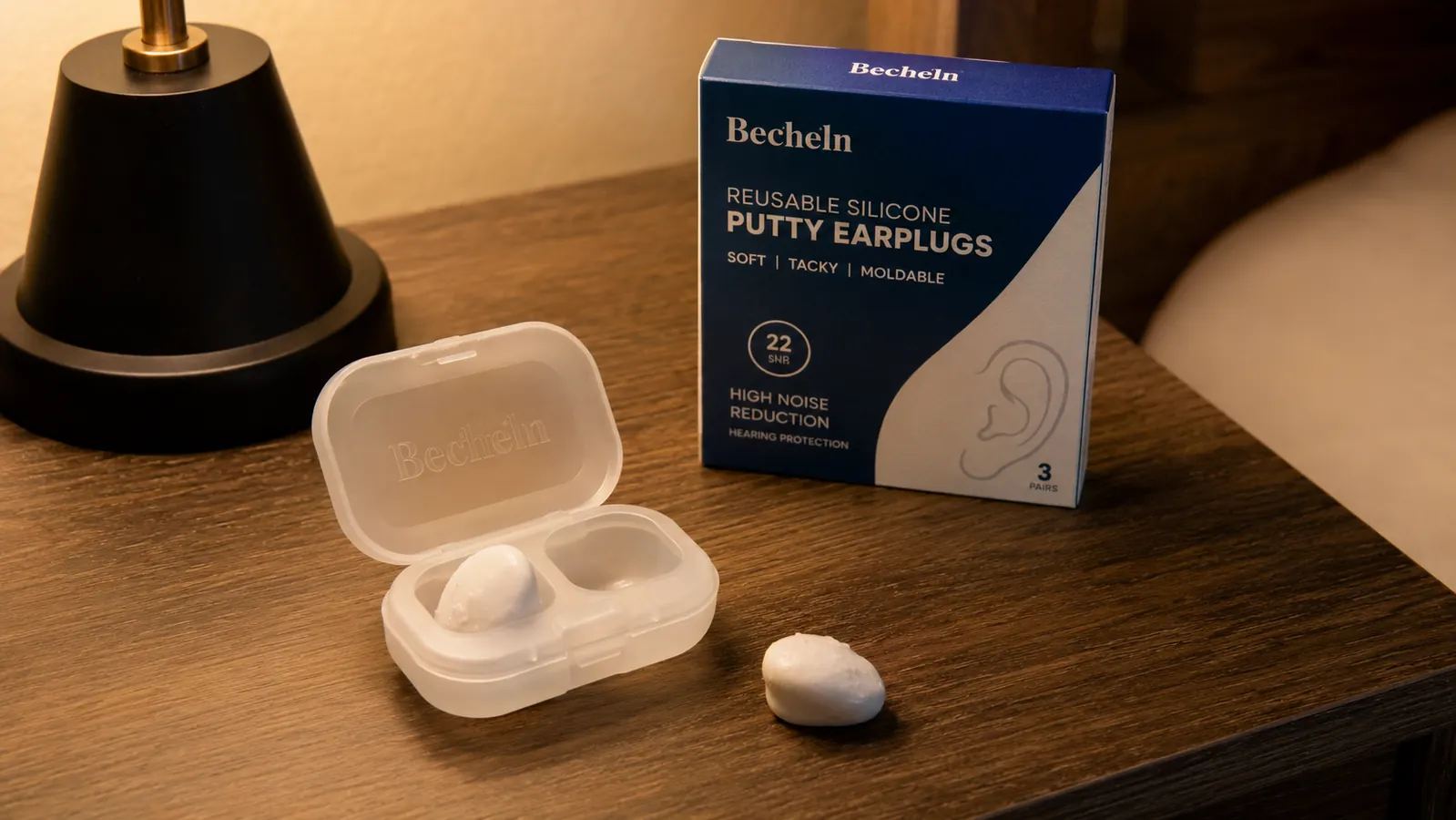
If you've only ever used the little orange foam cylinders from the hardware store, moldable silicone is a different animal entirely, and the difference matters more than the marketing copy lets on. Foam plugs are shaped like a tube. You roll them, they expand inside your ear canal. Silicone putty plugs like these don't go in your canal at all. You flatten a small ball of the stuff into a disc, about the size of a nickel, and press it over the opening of your ear like a dome. It seals the outside, it doesn't plug the inside.
That's the part that surprised me. I assumed 'silicone earplugs' meant a firmer version of foam. It doesn't. It's more like putting a small piece of clay over your ear canal entrance. Once you understand that, the fit issues, and most of the other quirks on this list, make a lot more sense, because the entire product depends on getting a clean seal against skin rather than a snug fit inside a canal.
It also means fit is less about ear canal size, which varies a lot from person to person, and more about the shape of the outer ear and how flat a surface you can press the putty against. If your outer ear has a lot of ridges or an unusual shape, you may need a couple of extra tries each night to get a seal that doesn't leak sound around the edges.
The Tackiness Nobody Mentions
Here's the first thing that caught me off guard. The Becheln silicone earplugs are tacky, almost like a very soft eraser or a stress ball that's slightly overdue for replacement. That tackiness is what lets it grip skin and seal the edges of your ear, and it's also why it picks up everything it touches.
Lint from your pillowcase. A stray eyelash. Dust from your nightstand. If you set a used plug down on anything other than the little plastic case it comes in, it will collect whatever's on that surface, and then you're pressing that back against your ear the next night. I learned to always drop them straight back in the case, no exceptions, because a dropped plug picked up carpet fuzz exactly once and that was enough to make me paranoid about it after.
The tackiness also means your fingers get slightly sticky rolling the ball into shape each night, especially in a warmer room where the silicone softens more. It's not gross, it's just not the clean, no-mess experience the listing photos imply. You're handling a slightly sticky wad of putty at 10pm, and you need clean hands and a clean surface to do it right. On nights I've forgotten and gone straight from moisturizer to earplugs, I've had to stop, wash my hands properly, and start over, because lotion residue keeps the putty from sealing evenly.
The Hair-Pulling Problem Is Real, Especially If You Have Longer Hair
This is the complaint I see buried in the one and two-star reviews, and it's real. Because the putty sits on the outside of your ear and has to stick to skin to seal properly, any hair that crosses that boundary, even a few loose strands, gets caught in the tack when you press the plug into place.
For me, with hair past my shoulders, this meant developing a small bedtime ritual: pull hair back into a low, loose bun or braid, tuck any escaping strands behind my ears, then place the plugs. Skip that step and you'll find out at 2am when you roll over, the plug shifts, and a few hairs yank tight enough to wake you up. It's not painful exactly, more like a small jolt of 'why did that happen,' followed by fumbling in the dark to work the plug free without losing more hair in the process.
If you have short hair or a shaved head, this entire section doesn't apply to you and you can skip straight to the next one. If you have long or textured hair, budget an extra thirty seconds each night for hair management, because the plugs themselves won't remind you, and the first few nights of getting caught off guard are honestly the worst part of the whole adjustment period.
What I Liked
- Blocks a meaningful amount of everyday noise, snoring, traffic, a fan
- Doesn't press painfully into the ear canal like foam can for side sleepers
- Reusable, so it's cheaper over time than replacing foam plugs nightly
- Small case makes it easy to keep clean and travel-ready
- Comfortable enough that I genuinely forget I'm wearing them most nights
Where It Falls Short
- Tacky surface picks up lint and dust if not stored properly
- Pulls and catches long hair unless you tie it back first
- Requires nightly hand-washing and occasional plug-washing to stay hygienic
- Loses its tack and seal quality after roughly six to eight weeks of nightly use
- Real-world noise reduction is noticeably less than the printed NRR number suggests
Still worth it once you know the two habits that fix most of this
The tackiness and hair-pulling aren't dealbreakers, they're just things you manage. Once I built the case-and-bun habit, these became a genuine part of my nightly routine instead of a nightly annoyance.
Amazon Check Today's Price on Amazon →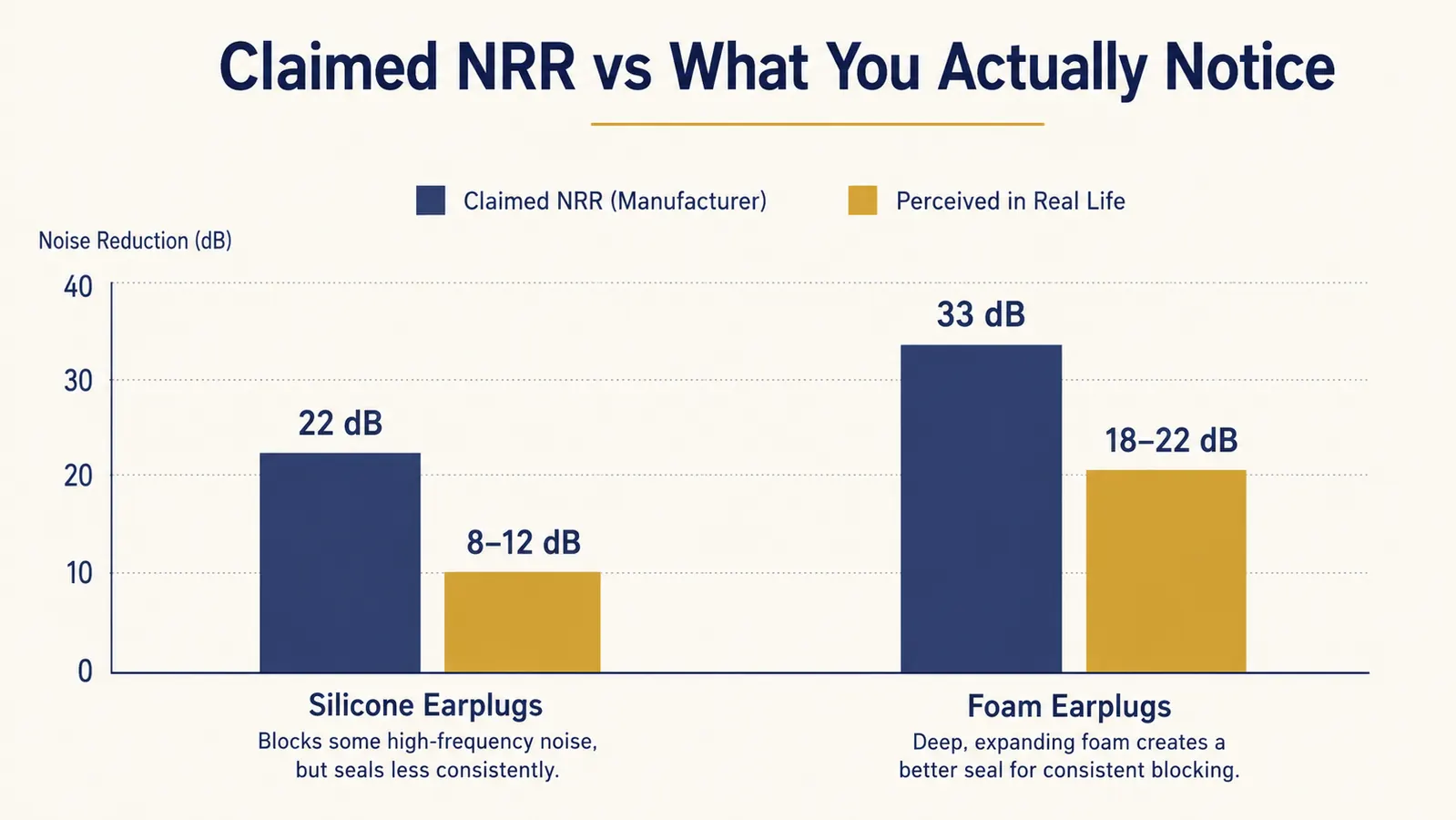
Hygiene Is More Hands-On Than a Foam Plug
With disposable foam plugs, you use them once or twice and toss them. There's no upkeep conversation to have. Reusable silicone putty is a different maintenance category, and the listing doesn't spell out what that maintenance actually looks like, probably because it's a slightly less appealing thing to put in a bullet point than 'reusable up to 15 times.'
You're pressing this material directly against the skin around your ear canal, night after night, for weeks. Ear canals produce natural oil and wax, and some of that transfers onto the plug's surface every time you use it. I wash mine with mild soap and warm water most mornings, pat them dry, and let them air out for a few minutes before they go back in the case. Skip that for a stretch of nights and you'll notice the surface gets duller and slightly grimier looking, not moldy exactly, just clearly used, and it stops sealing quite as cleanly too.
I also wash my hands before I shape and place them each night, which sounds obvious but is easy to skip when you're exhausted and just want to sleep. Whatever's on your fingers, lotion, hand sanitizer residue, general end-of-day grime, transfers straight onto the putty and then onto the skin around your ear. It's a small habit, but it's a real one, and it's not mentioned anywhere in the product description. My honest recommendation is you treat this like contact lenses: clean hands, clean surface, every single time, and you'll avoid most of the irritation and ear discomfort other reviewers mention.
The 'Waterproof' Claim, and What It Actually Means
The listing calls these waterproof, and that's technically true, silicone doesn't absorb water the way foam does, so they hold up fine in the shower or the pool. What the listing doesn't clarify is that waterproof does not mean odor-proof or wax-proof. After a few weeks of nightly wear, I noticed a faint waxy smell on the plugs even after rinsing, which is just ear wax working its way into the tiny surface texture of the putty over time.
A quick soap wash handles it most of the time, but if you're someone who produces more ear wax than average, expect to notice this sooner than someone who doesn't, and expect it to be one more reason a pair needs retiring before the two-month mark rather than after.
The NRR Number Is Technically Accurate and Still Slightly Misleading
The packaging advertises a noise reduction rating in the mid-20s decibels, which sounds impressive and, in a lab test with the plug perfectly seated, probably is accurate. In real bedroom conditions, with a plug you shaped yourself in the dark, the seal is rarely perfect, and the real-world reduction feels closer to muffling than silencing.
Here's what that means in practice. A partner's soft snoring becomes a low background hum instead of a startling snort. Highway noise through a cracked window goes from noticeable to barely there. But a phone alarm at full volume six inches from your head still gets through, and someone talking directly and loudly in the same room will absolutely wake you. These are noise reducers, not noise eliminators, and treating the NRR number like a guarantee of silence sets you up to be disappointed on exactly the night you need them most.
The NRR number on the box is a lab result. Your actual bedroom, your actual seal, your actual hair situation, that's a different number every single night.

How Long a Pair Actually Lasts Before You Need New Ones
The product is marketed as reusable, and it is, but 'reusable' doesn't mean 'permanent.' After roughly six to eight weeks of nightly use, my first pair started losing its tack. The putty stopped gripping the skin as firmly, which meant it stopped sealing as well, which meant the noise reduction dropped off noticeably before I even consciously noticed the plug felt different in my hand.
The pack comes with multiple pairs, which is genuinely useful, because you'll cycle through them faster than the single-use framing on the box suggests. I'd plan on treating each pair as good for about a month and a half to two months of nightly use, then rotating to a fresh pair from the same box. Budget accordingly rather than assuming one pair lasts the life of the package, and don't be surprised if you're reordering sooner than the box implies.
Who This Is For
If you're a side sleeper who's tried foam plugs and found them uncomfortable to sleep on, these solve that specific problem well, since the flat dome shape doesn't press into your ear canal against the pillow the way a foam cylinder can. They're also a solid pick if you travel and want something reusable instead of buying disposable foam plugs every trip, or if you share a bed with a snorer and just need the edge taken off, not total silence. If you're willing to build the small nightly habits, case storage, hand washing, hair management, this is a low-cost product that quietly does its job.
Who Should Skip It
If you have long hair and know you won't reliably do the bun-and-tuck routine every night, or if the idea of washing and drying a reusable ear product every morning sounds like more upkeep than you want, disposable foam is the lower-maintenance choice. And if you need true, near-total silence, a heavy snorer in a small room, thin apartment walls with loud neighbors, these will help, but they won't get you all the way there. Pair them with a fan or white noise if that's your situation, or look at combining them with a white noise source rather than expecting the plugs alone to carry the whole job.
Know what you're getting into before the first night, not after
The Becheln earplugs work, and I still reach for them most nights. Just go in knowing about the tackiness, the hair, and the wash routine, and you'll skip the week of mild confusion I went through.
Amazon Check Today's Price on Amazon →